
“City children can get hold of books one way or another,” says Devran Sinanoğlu as he neatly shelves books in a brand new high school library, built at the foot of a mountain in Ovabağ, rural Diyarbakır province. “But the children in the village don’t have that opportunity. So, we try to enrich their worlds with books.”
This is not the first library that Sinanoğlu has built. The 36-year-old author and biology teacher has contributed 120 libraries to Diyarbakır in Turkey’s south-east, donating over 1,000 books in the process.
Relying on revenue from his own book sales, donations and gifts from bookshops and publishers, Sinanoğlu’s goal is to make sure no school in Diyarbakır is left without a library.
This adventure, which has earned the teacher the nickname “Uncle Book”, began when he was working in a primary school in a poor neighbourhood in 2019.
When Sinanoğlu saw that students had difficulty expressing themselves, struggled to explain their knowledge when called up to the board and mixed slang words into their speech, he decided to come up with a solution.
The young teacher organised read-and-tell events and took his students on library visits. Sinanoğlu himself was shocked by the difference this had made. It was after witnessing his pupils’ transformation that he decided to build libraries in village schools, in an attempt to reach out to even more children.
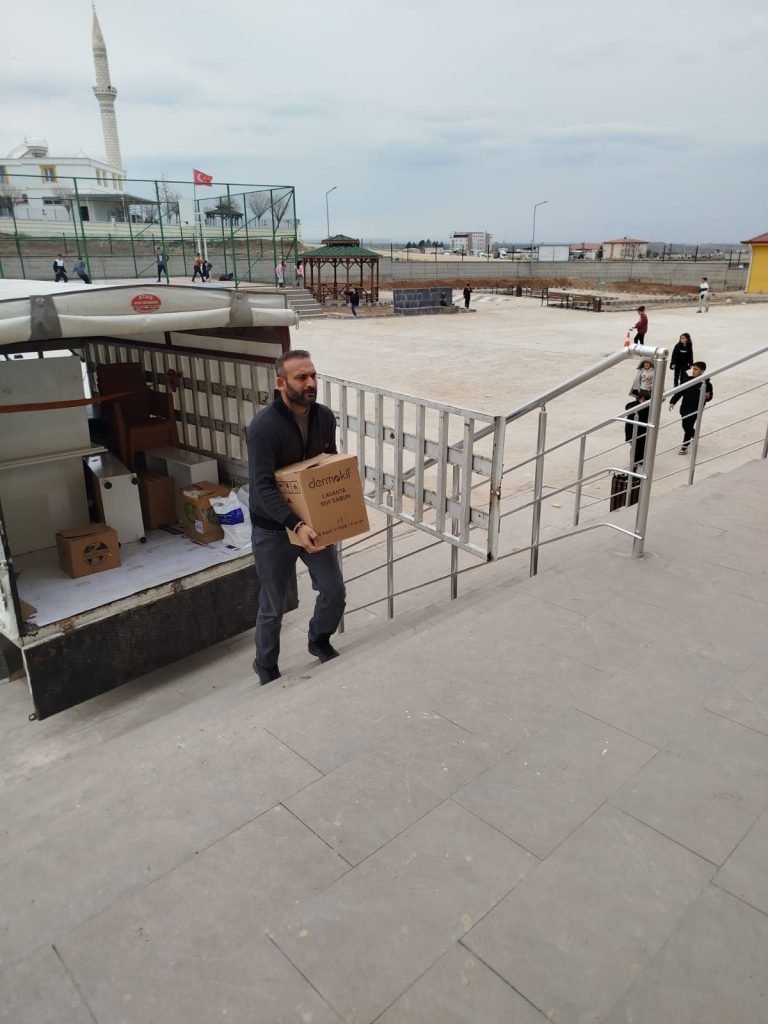
Sinanoğlu organised media-backed campaigns to find books for the libraries and became a regular at book fairs. “I went to the fairs with an empty suitcase and came out with a full one,” Sinanoğlu says. “I had help from second-hand bookshops, publishers and philanthropists. I also gave the royalties from my own books to help the students. But I never accepted money. I completed everything in the libraries – from the tables, to the shelves, and even the chairs – with donations.”
Donations have brought Sinanoğlu’s library in Ovabağ village to life. As he sifts through the books cautiously and meticulously, lining them up one by one, Sinanoğlu says that the look on pupils’ faces when they get hold of books is like a “photograph that even millionaires can’t buy”.
Careful in his selections, Sinanoğlu says: “We don’t accept books that are political, ideological or heavily religious.”
“We take books that fit into children’s worlds, that are cultural and literary works.”
World classics are the most popular, but pupils also take advantage of supplementary materials for lessons and exams, Sinanoğlu says.
“Students have got into good high schools and some have even gone to college thanks to libraries where we stocked textbooks,” he says. Some school administrators and pupils have called him to thank him directly, he adds.
“I had a book signing one day where a group of students came up to me,” Sinanoğlu recalls. “While chatting, one girl said ‘Teacher, I studied with the books you sent us and I got into high school.’ Her eyes were sparkling and teared up as she said this. I figured her family wasn’t too well off, I got quite emotional that day alongside her. It made me realise once again, how right it is, this thing I’m doing.”
As part of Sinanoğlu’s 2021 project “We Should Read and Encourage Reading for a Healthy Future,” libraries were built in 120 village schools and a further 106 in Diyarbakır city. The project aims to continue until all schools in the province have libraries.
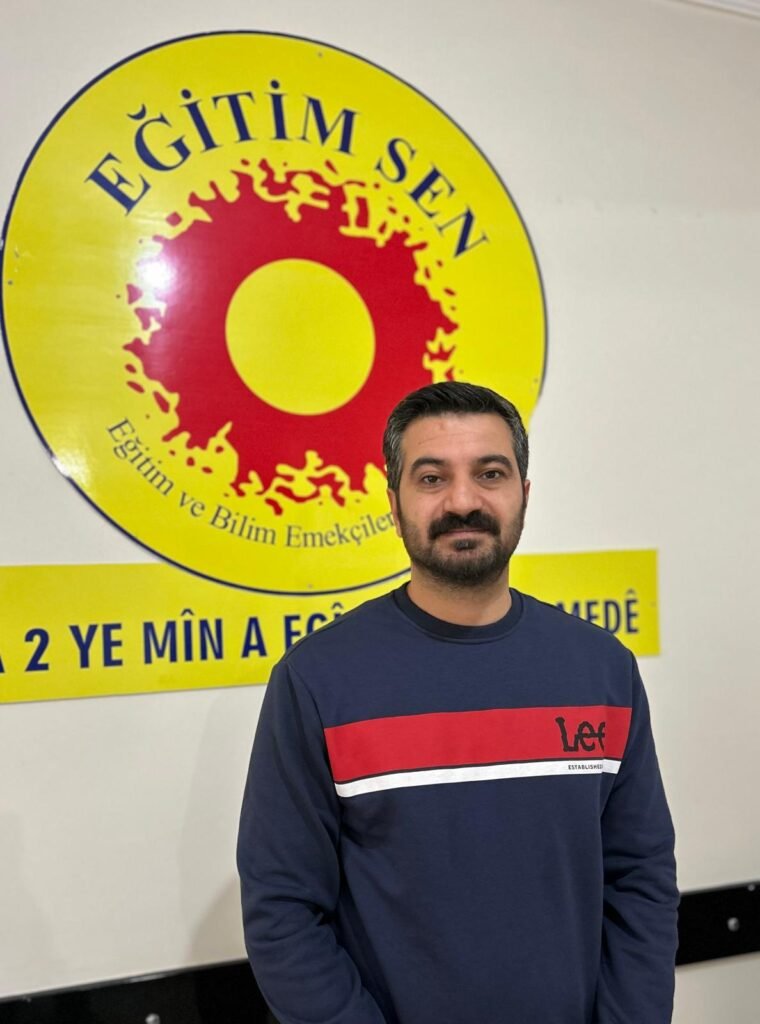
Serhat Kılıç, chair of the local Education and Science Workers’ Union (Eğitim-Sen) branch, told Inside Turkey that the Education Ministry’s should have provided a library in every school.
“However, many schools don’t have libraries,” he says. “The ones that do lack enough books and fail to meet the children’s learning needs.”
Noting the inequality of opportunities in education, Kılıç finds it crucial for students to have quality, accessible school libraries.
“Books contribute to students’ self actualisation by expanding their imaginations and positively affect their academic prospects,” Kılıç says. “So, the ministry should review their policy toward school libraries and take urgent steps to create quality libraries in every school.”
Gülistan Korban Rençber