
In a dimly lit hookah and coffee house in southern Turkey’s Hatay province, a middle-aged woman sits with her head bowed. Her eyes tear up before she even begins to speak.
The scars of the devastating earthquake that struck Hatay in early 2023 are still visible – not only in the collapsed buildings, but in the lives of women like Selma*, who are facing an epidemic of violence amid the chaos.
“We were always cautious around him,” Selma says of her husband of 31 years. “But after the earthquake, it became really bad.”
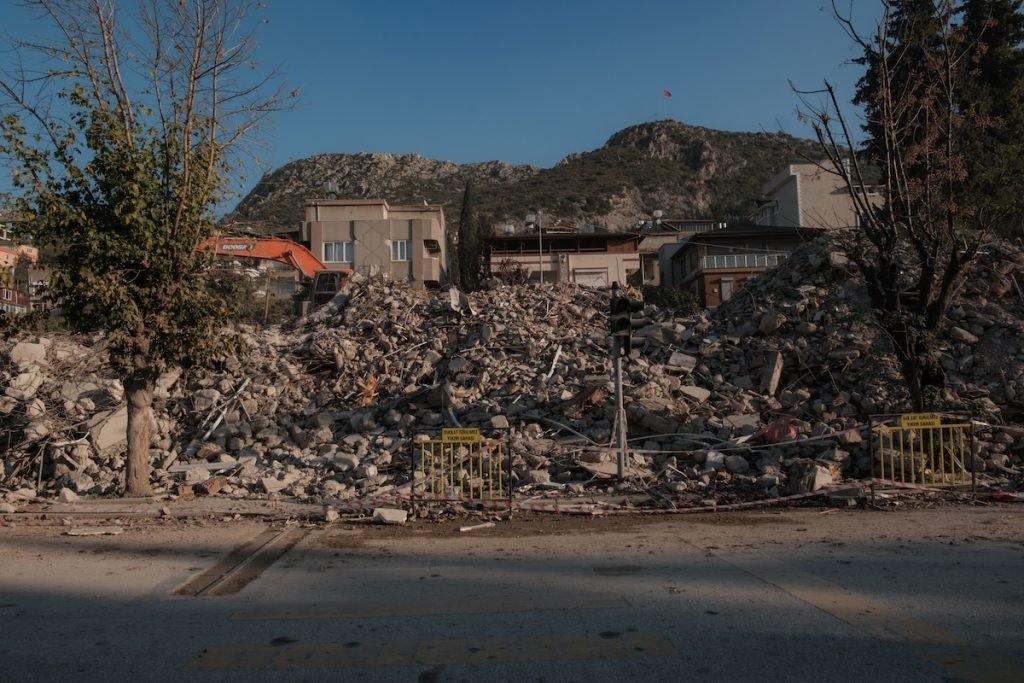
On 6 Feb 2023, two colossal tremors with magnitudes of 7.7 and 7.9 hit southern Turkey and northern Syria nine hours apart. In Turkey, 14 million people in 11 provinces were affected.
The earthquake revealed Turkey’s lack of preparedness, despite years of scientific warnings and mandatory earthquake taxes. More than 53,000 people were killed and more than 107,000 injured, according to official figures. Hatay’s historic city of Antakya was almost totally destroyed.
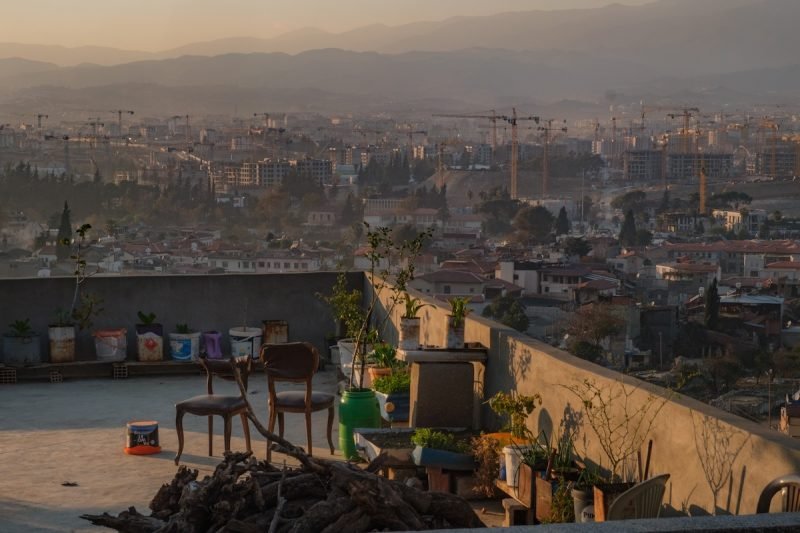
Nearly two years on, many survivors are still living in shipping containers across the city. But while they struggle with their third winter in the cold, women face another, invisible crisis: a rise in gender-based violence.
Selma’s house withstood the quakes, but she lost her job at a beauty salon, which didn’t reopen. Determined to provide for her family, she bought new equipment and began working from home while caring for her daughter with a learning disability.
The money she earned from skincare was her family’s only source of income. Meanwhile, her unemployed husband’s drinking escalated as his mental state deteriorated. “Once,” she remembers, “he broke his hands after listening to Erdoğan,” referring to the Turkish president speaking on television.
Eventually, he turned his violence towards Selma and their children. “When I woke up, he was biting me,” she says, of the night it started. “He started punching me on my heart, and broke my nose.”
Earlier that day, Selma had discovered her husband had been cheating on her. His drinking had made her feel uneasy, so she’d gone out for a few hours before coming home and going to bed.
During the attack, their pregnant daughter tried to intervene, but Selma’s husband hit her, too, she recalls. “He could only be stopped after we called his parents from the floor below and when the ambulance arrived.”
The Hatay Bar Association and women’s rights NGOs working locally all told Inside Turkey that violence against women has risen in Hatay since the earthquake.
Zehra Nazikyolcu, a social services expert and survivor of violence who has worked at Turkey’s Federation of Women’s Rights Association in central Antakya since the earthquake, says the disaster brought consequences such as unemployment and hopelessness.
“These all factored into the rise in violence,” she says. “But unfortunately, we don’t even have shelters for women and children.”
Six months after the earthquake, family and social services minister Mahinur Göktaş visited Hatay, telling people “whatever you need, reach out to us”. But local groups say there has been no official statement or action plan on violence against women.
The Hatay branch of the Family and Social Services Ministry refused to give official data on how many women in the province have applied to ŞÖNİM, Turkey’s official violence prevention and monitoring centre, since the programme was launched.
Inside Turkey also asked the local prosecutor’s office, via the Hatay Bar Association, how many cases of violence against women have been registered since the earthquake, but was refused again.
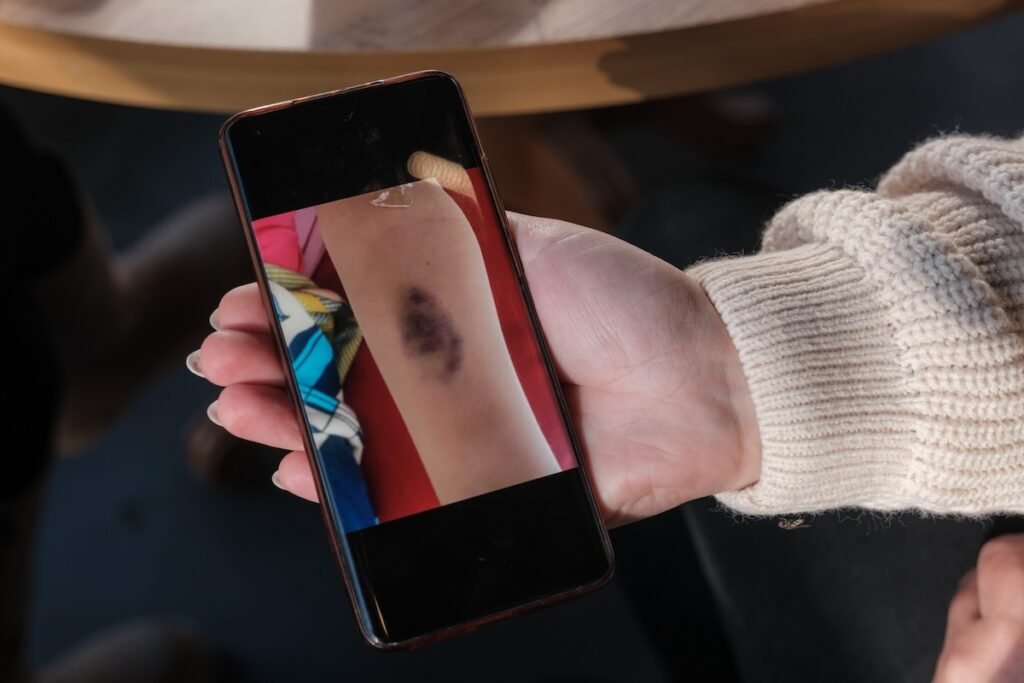
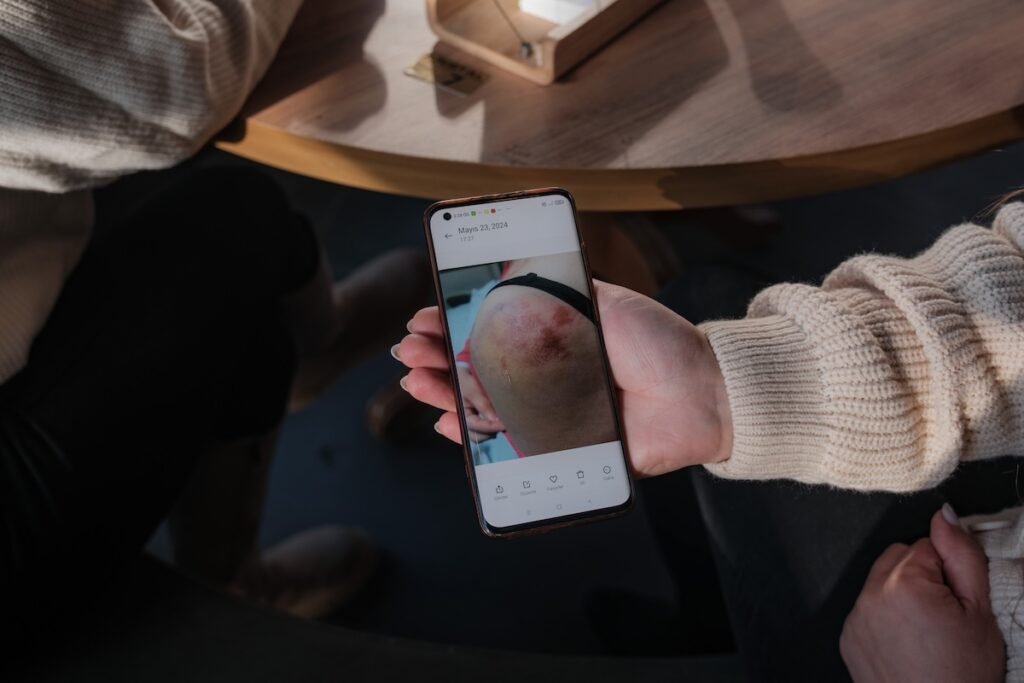
Selma’s story underscores the systemic failures that leave women vulnerable even after reporting abuse. She thought that photos showing her lying in a hospital bed with bandages covering nearly her entire face, of close-ups of her bitten, purple shoulders and the hospital’s report would be enough to see her husband prosecuted.
But after being detained for two months, Selma’s husband was released. She is now trying for a divorce, but according to text messages seen by Inside Turkey, her husband is pressuring her to come back to him.
“I was surprised to see that the judiciary doesn’t protect us,” she says. “I feel alone. I’m scared. I saw him in the market recently, and I dropped the bags and ran away.”
Police are reluctant to act, despite Selma showing them the night-time messages her husband still sends her. “[They say] these haven’t brought physical damage to me, so they are not real threats,” she says.
Violence against women is a major problem in Turkey, with 438 women murdered in 2023; a rate of more than one a day. According to the World Economic Forum’s Global Gender Gap Index, Turkey ranks 127th out of 146 countries this year.
In 2021, a presidential decree withdrew Turkey from the Istanbul Convention, an international legal agreement to end violence against women. Rights groups, which opposed the withdrawal, argue that the decision has made it harder to combat gender-based violence.
Zehra Aslan, a member of Hatay Bar Association’s Women’s Rights Commission, says that the problem is particularly bad in Hatay, “where the law enforcement is especially weak”.
Families are “stuck inside 21 square metres [of shipping container]”, packed alongside others, she said. This only intensifies the trauma experienced by women already made vulnerable by the loss of their homes and incomes.
Although exact figures are unavailable, Alsan believes there has been a rise in the number of women in the province subjected to male violence.
Though the lack of decisive action is not unique to Hatay, this is a region with special needs.
Yet Nazikyolcu says: “Hatay’s women are trying to survive on their own.”
*Selma’s name was changed to protect her identity
Nimet Kıraç