

Women’s rights campaigners warn there’s no cause for complacency over the AKP’s parliamentary allies
Gonca Kuriş, abducted and murdered in 1998, lies in the same cemetery in the southern coastal province of Mersin as two other symbols of women’s rights in Turkey. Also buried there are singer Bergen, murdered by her husband in 1989, and Özgecan Aslan, killed in 2015 while resisting a bus driver’s attempt to sexually assault her.
Kuriş, a 38-year-old women’s rights campaigner, was tortured and killed by members of the armed islamist group Kurdish Hezbollah. Her case, along with dozens of other assassinations carried out by the group, has returned to public attention in Turkey ever since a party closely linked to Kurdish Hezbollah entered parliament last year.
The Free Cause Party (Hüdapar), founded in 2012 by former members of Kurdish Hezbollah – but which denies links to any armed group – won four seats in the May 2023 general election, benefiting from an alliance with President Recep Tayyip Erdoğan’s Justice and Development Party (AKP). Its success, along with that of another member of the alliance, the far-right New Welfare Party (YRP), has worried many women in Turkey.
“Whether it is affiliated with Hezbollah or not, it does not change the fact that Hüdapar is terrible. After all, this party’s policies about women are clear,” said 23-year-old student Dilan Aydemir.
Hüdapar’s party programme calls for adultery to be made illegal and for women to be banned from professions it deems unsuitable, among other policies. Ali Yılmaz, one of the Hüdapar deputies, said in an interview in 2004 that he had three wives through religious marriages and was “warm” to the idea of a fourth wife.
During the election campaign, Turkey’s women’s movement tried to raise awareness of the danger they believed these parties posed – not least their pre-election demand that the AKP commit to repealing law No 6284, which offers protections against domestic violence. But the result left many of the parties’ opponents disappointed.
“I was mistaken,” 21-year-old mathematics student Sevde Mutlu told Inside Turkey. “I questioned a lot about whether there really could be so much misogyny in society.” She believes society is still ignorant of how radical these parties can be and that there’s a lack of awareness of their policies regarding women.
Nurefşan Kaynak, a 25-year-old maths teacher, agrees. Kaynak, who started wearing a headscarf at age 16 and describes herself as a conservative, said she convinced two of her friends not to vote for the alliance.
“I am afraid that Sharia will come to the country, not as an official form of government, but with many of its applications,” Kaynak said.
So far, however, despite their extreme rhetoric, the two parties have had relatively little impact on policy. Since their election, Hüdapar deputies have only submitted three parliamentary questions relating to women – one, for instance, about making marriage easier and divorce harder – and have gathered more attention for their public statements than their legislative work. Notably, Hüdapar’s leader Zekeriya Yapıcıoğlu sparked a backlash in September when he called for changes to articles in Turkey’s constitution that establish the country as a secular democracy to be changed.
This is no reason for complacency, according to leading members of the women’s movement, however. One of the organisers of the Istanbul Feminist Night March, Selin Top, told Inside Turkey that the current legislative body is “the most misogynistic parliament in the history of the country”.
Just 20% of deputies in Turkey’s 600-strong parliament are women, although the May 2023 elections saw the highest level of female representation yet. Out of 81 provinces, 30 are represented exclusively by male MPs.
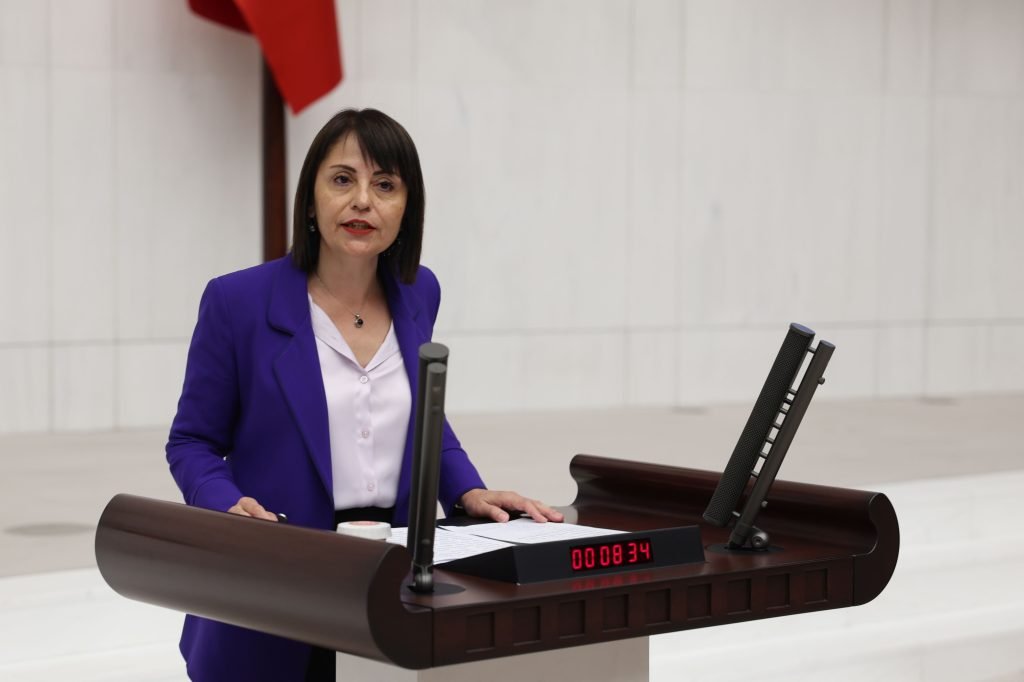
Kezban Konukçu, a 51-year-old feminist deputy from the Green Left Party, told Inside Turkey that although she fears a further attack on women’s rights, she thinks the AKP’s partners will be reluctant to put their more extreme policies – which target LGBT rights as well as women’s rights – into practice.
“There are currently four Hüdapar deputies in the parliament. On the other hand, even in the Green Left Party alone, there are 30 women deputies with a feminist consciousness and approach,” she said. “The fact that these four deputies are talked about so much seems to feed fear and despair.”
According to Konukçu, the demands of those two parties are too extreme for the AKP, which built its power by mobilising its female supporters in opposition to Turkey’s long-standing ban on islamic headscarves in public institutions. The women who helped bring the AKP to power, she said, are unlikely to withdraw from “pace of life” – in other words, to retreat from public participation as these fringe parties would like.
Semiha Arı, who works for women’s organisations in Turkey and internationally, holds a similar view. “Although the AKP government has implemented decisions that suppress women’s rights for the last ten years, no government has ever established the backbone of its policies over patriarchy and consolidated its mass through this discourse,” she said.
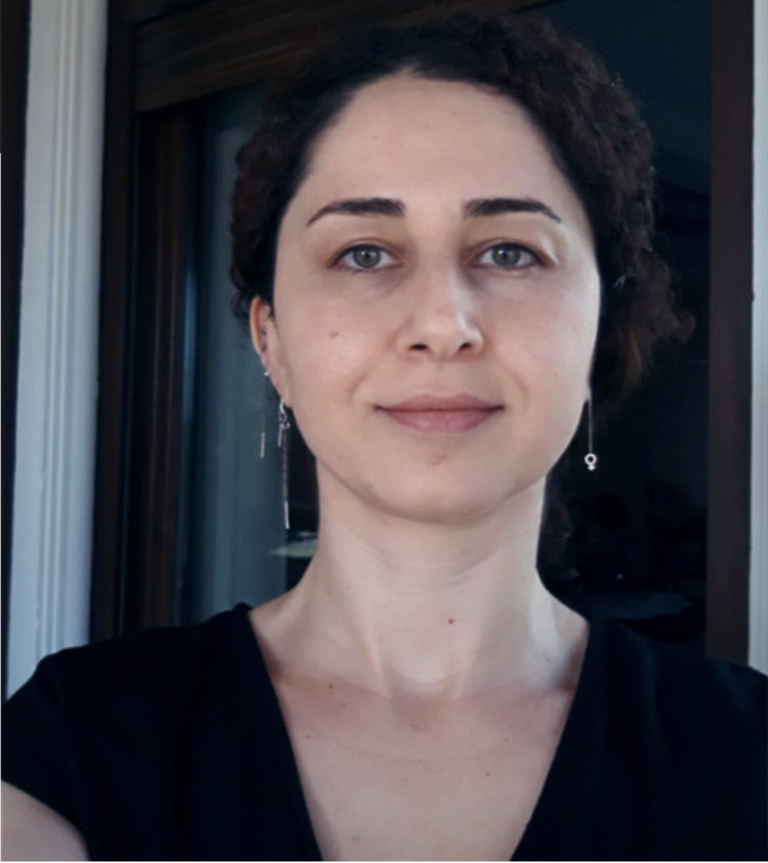
However, Arı added, “there is an atmosphere of fear and panic regarding the appearance of the parliament”. She thinks it’s important for opposition parties and social movements to resist panic and to stay united against any efforts to roll back rights.
Konukçu argues that the only way to forestall attacks on women’s rights is to build a strong women’s movement. Opposition politicians, she suggests, should demand the government take steps to eliminate violence against women, poverty and discrimination, rather than get drawn into shouting matches with Hüdapar.
Şeriban Alkış