

Vaccines against the human papillomavirus (HPV), which causes genital warts and can lead to cancer, are offered to girls free of charge in 125 countries worldwide. Yet despite government promises, Turkey has yet to add the vaccine to its national immunisation programme.
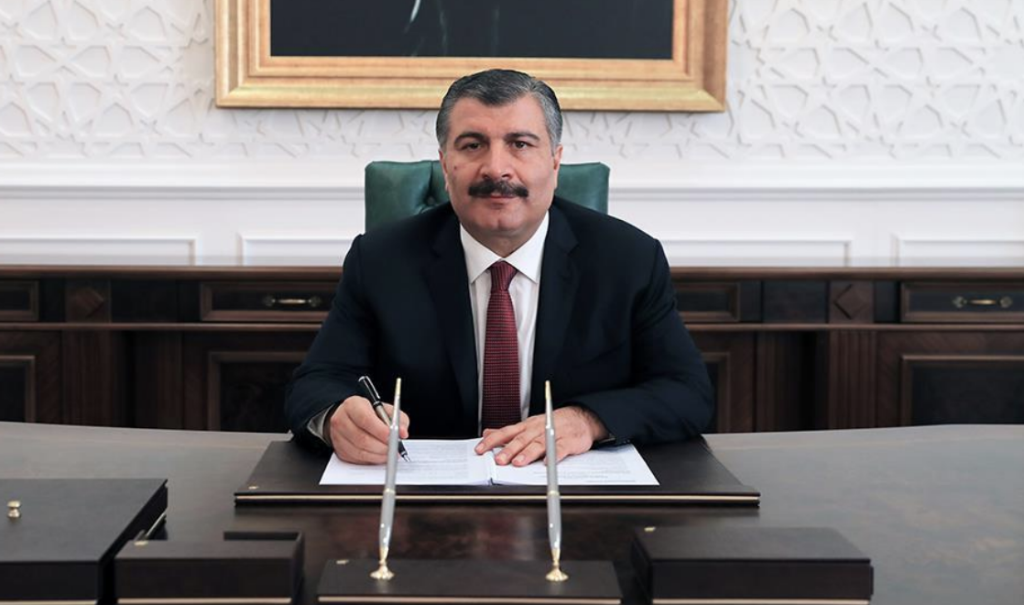
In November 2022, the then-health minister Fahrettin Koca promised that the HPV vaccine would be offered free of charge in Turkey. Experts believe that the vaccine, rolled out globally, could save the lives of 340,000 women a year. But no action followed, and Turkey’s recent price hikes in medicines have seen the cost of the vaccine rise to 12,000 liras per treatment.
Some government critics believe the delay is linked to the ruling Justice and Development Party’s (AKP) socially conservative agenda. In the same statement, Koca also said: “We have no hesitations in terms of the HPV vaccination’s application, but it doesn’t help anyone to take action that is disconnected from the social realities of our country. For that reason, we are preparing a plan that takes into account age groups and marital status.”
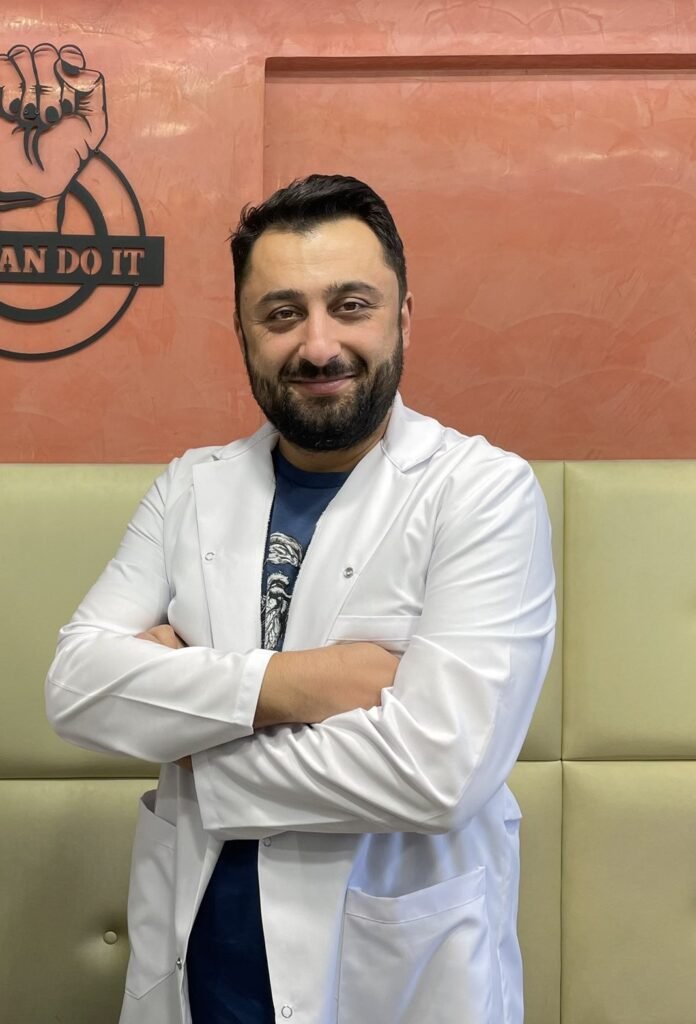
Pharmacist Cem Kılınç of the Unbowing Health Workers Initiative told Inside Turkey that HPV vaccinations have long been a source of controversy in Turkey, due to a stigma that women who contract HPV are “untrustworthy”.
In fact, Kılınç points out, the virus is more common among men. “Especially in Anatolia, a lot of women could easily have their first sexual experience with the man they marry but men are not like this. The cumulative risk of a woman contracting HPV from her first sexual encounter is 46 percent,” Kılınç said.
25-year-old Ayça has received all three doses of her HPV vaccine. She told Inside Turkey: “Taboos are deemed more important than human health in Turkey, which is why the HPV vaccine is somehow connected to people’s sexual lives. The government is happy with that too.”
“Even though free-of-charge healthcare services are more common in Turkey [than in most other countries], this single vaccine cannot be offered free of charge not because of a lack of resources but because it is politicised.”
The opposition Republican People’s Party’s (CHP) deputy shadow health minister, OB-GYN doctor Zeliha Aksaz Şahbaz says that managerial, economic and ideological reasons are behind Turkey’s failure to offer the HPV vaccine free of charge.
“I think that the fact that HPV is a sexually transmitted disease leads to the perception that the vaccine could bring about sexual freedom. The administration is approaching this with a conservative point of view,” she said.
“Anti-vaxxer extreme right-wing groups are suspicious of vaccines and the pharmaceutical industry – there are conspiracy theories being thrown around about the HPV vaccine too,” said political analyst İlkan Dalkuç. “The administration might be stalling on vaccinations since a lot of these circles are their supporters. On the other hand, some women are averse to gynecological examinations due to social pressures.”
Lack of access to vaccinations has an impact on health, says Aksaz Şahbaz. “HPV is very common at the moment. Cervical cancer is the second most common type of cancer and cancer-related death among women. Even babies can contract it at birth and it can create widespread lesions on the eye and on the throat. These lesions are rather difficult and traumatic to treat,” she said.
Men can carry the virus with no symptoms, and can then spread it, says Dr. Derya Mengücük, an HPV expert, adding that it’s also vital for men to get vaccinated to prevent them from becoming carriers.
“The number of cervical cancer deaths prevented in a country is parallel to how developed a country is in healthcare and the value it assigns women,” says the website for the Health Ministry’s Public Health Directorate.
Noting that Turkey is one of the least-developed countries about the HPV vaccine and fighting cervical cancer, Kılınç says: “The United Arab Emirates mandates this vaccine to register students in school. It’s delivered free of charge in half of Africa. Saudi Arabia gave prizes to those who designed its vaccination program. It’s free of charge in Myanmar, where we constantly ship aid supplies.”
Experts say that the vaccine could completely wipe HPV from society. A recent study in Kenya showed that a single dose of the HPV vaccine is highly protective for at least three years. The World Health Organisation’s initiative to prevent cervical cancer aims to vaccinate 90 percent of girls who are over 15 by 2030 worldwide.
Kılınç has worked as a pharmacist in the southernmost province of Hatay for 13 years and has noticed a huge rise in demand for the vaccine in recent weeks, he says.
“The vaccine is selling more than ever in Turkey at the moment. I have seen people take out loans. In my pharmacy’s neighbourhood, a bazaar vendor came in clueless about the whole ordeal, asking to buy a vaccine for his wife because ‘this disease has been on the rise recently”, Kılınç said.
25-year-old Sude decided to get vaccinated after learning how common HPV was but postponed her plans when she found out the price, she says, adding that “I finally got the vaccine after some of my friends had problems with HPV, which made me realise the vaccine is too important to postpone.”
Like Sude, 28-year-old Istanbul resident Meltem also postponed getting her vaccine due to the high price. Despite not having any discomfort or symptoms, she decided to get tested in a public hospital just to monitor her health. She tested positive for HPV and told her doctor that she was concerned it would turn into cervical cancer, pleading with the doctor to do everything possible to prevent that.
Meltem was told that her situation wasn’t risky due to her young age and that it wasn’t taken seriously because “80 per cent of society has it”. It was only upon her insistence that a biopsy was conducted, revealing that she was in the final stage before cervical cancer and that her only option was surgery. She went to a private hospital for her surgery, since she felt like public hospital officials did not take her seriously.
Noting that there are many preventative methods besides vaccinations to combat the HPV virus, Aksaz Şahbaz says that societal education about sexual health is crucial. “Public health campaigns should be organised to create adverts and informational materials that would raise awareness about the illnesses that HPV can cause, like cancer.
“Moreover, the public’s easy and free of charge access to condoms would be crucial in preventing the spread of HPV, like many other sexually transmitted diseases. Public health centres should encourage regular checks and testing for the early diagnosis and treatment of cancers that HPV can lead to,” Aksaz Şahbaz says.
“However, these can only provide limited protection against HPV types that lead to cancer,” Aksaz Şahbaz says, adding that vaccines are the most effective protective measure.
Some municipalities have started offering free HPV vaccines. The Istanbul Metropolitan Municipality started its work on HPV vaccinations in May 2023, while Mayor Ekrem İmamoğlu stated on X/Twitter that they had received over 85,000 applications. The municipality offers the vaccine free of charge to social aid recipients aged nine to 26.
Ankara Metropolitan Municipality also started vaccinations in June, starting out with a goal of 2,000 doses but eventually bumping that target to 5,000 doses. Over 2,400 people have received the treatment that is offered to women and girls receiving social aid, aged nine to 30.
İzmir Metropolitan Municipality kicked off its vaccination campaign on 15 December. The municipality offers free of charge vaccines to women and girls aged 18 to 26 who receive social aid. Some 40 appointments have been made at the municipality so far.
The Aegean metropolitan municipalities of Muğla and Çanakkale are also continuing their vaccination campaigns targeting girls and women who receive social security.
In response to a request for comment, a spokesperson for Turkey’s presidential office said: “work is ongoing to schedule this vaccine into the vaccination programme”.
Berka Yaroğlu
Levent Özalp