
“We used to visit my mum and dad with my children on the first day of Eid,” says Seher Yiğit. “Now, the only place I can visit is the empty lot where their home used to stand. I kiss gravestones, instead of my parents’ hands.”
Eid al-Fitr, which marks the end of Ramadan, has just been celebrated by millions of Muslims all around the world. But for thousands of people who lost loved ones in the massive twin earthquakes that struck Turkey just over two years ago, the festival was less joyful.
For 37-year-old Yiğit, who lives in the southern Turkish city of Adıyaman, Eid is now a time to grieve. She lost 17 relatives, including her parents, in February 2023. Her own house was heavily damaged, like hundreds of thousands in the earthquake zone.
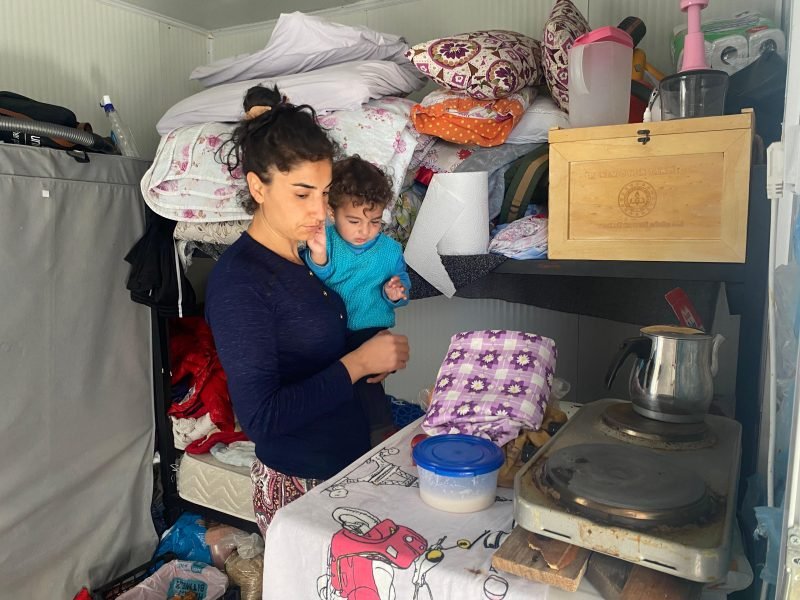
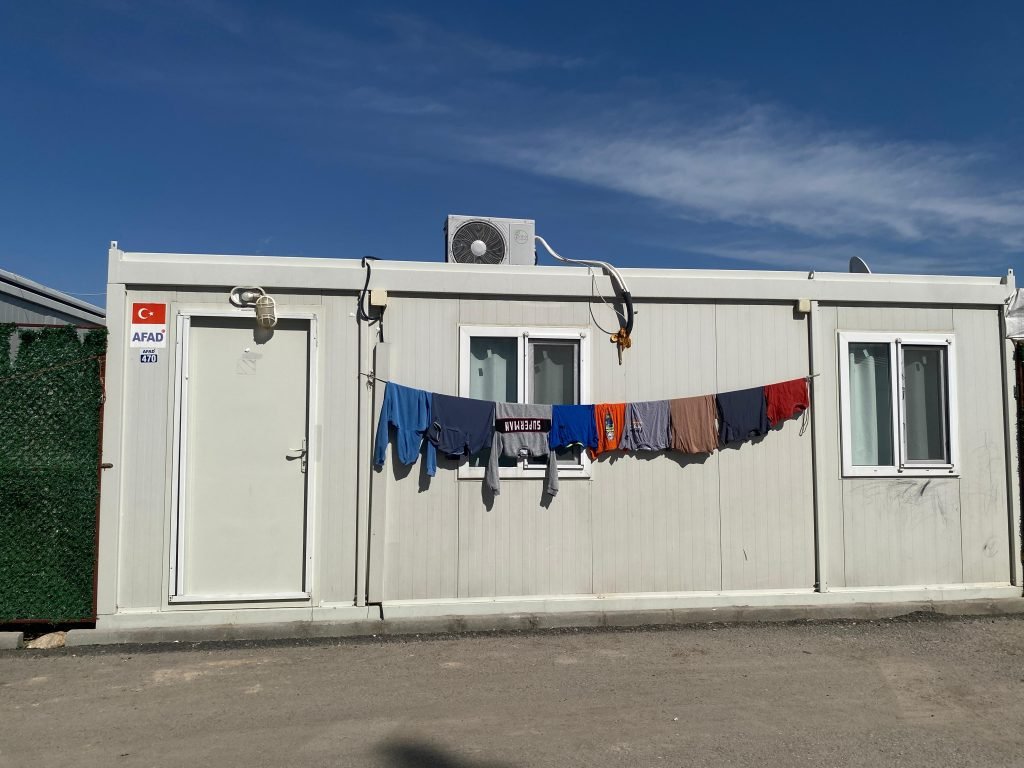
“We only remembered that Eid was on the way when we saw it on television,” Yiğit told Inside Turkey. The conversation took place inside her shipping container home – a ‘temporary’ solution for housing and workplaces for hundreds of thousands in the earthquake zone – which she has been living in since the disaster.
“Before the earthquakes, we had hopes and dreams,” she adds. “Yet we’ve been left with nothing. And the worst thing is that we don’t have any hope things will get better.”
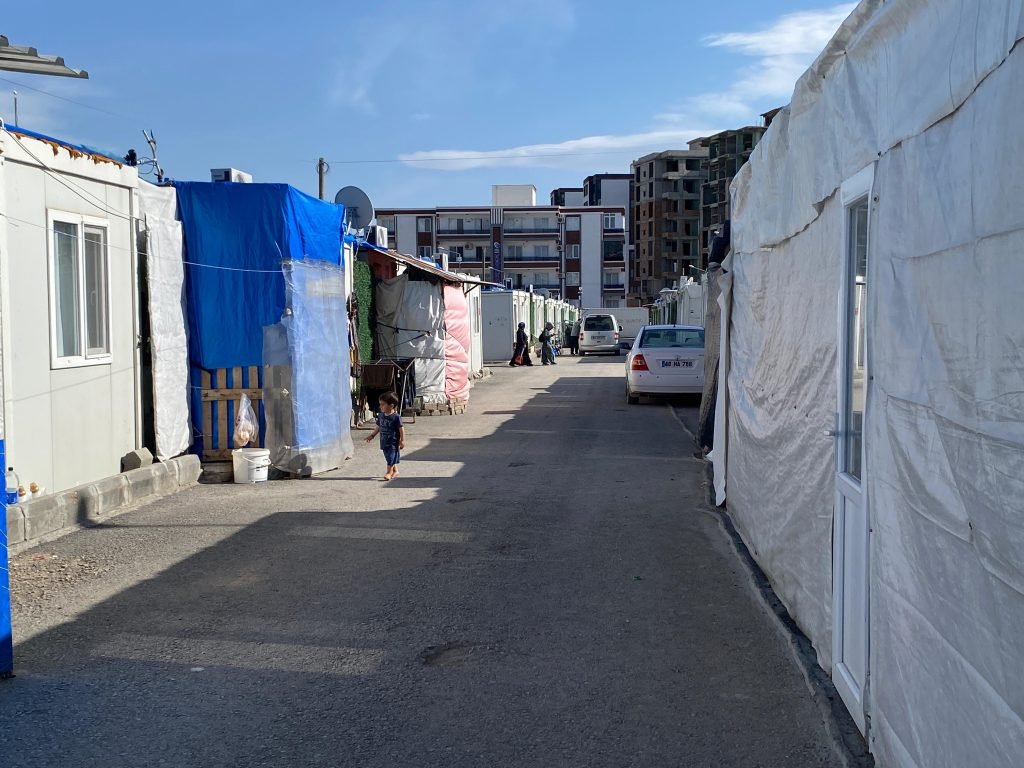
Since the 2023 earthquakes, which affected 11 provinces in Turkey, causing over 53,000 deaths, survivors in cities like Adıyaman still struggle to recover. Here, 8,327 people died and over 63,000 homes were destroyed or severely damaged. According to the Adıyaman municipality, around 10 per cent of the city’s residents – around 56,000 people – currently live in containers
Ayten Torun vividly remembers spending 17 hours trapped beneath the rubble of her apartment building. She was saved by a wardrobe that fell over her, just about keeping the 30-year-old alive until she could be rescued by her family, though she suffered injuries to her neck and ear. Her husband, who sustained severe kidney damage, spent 28 days in intensive care.
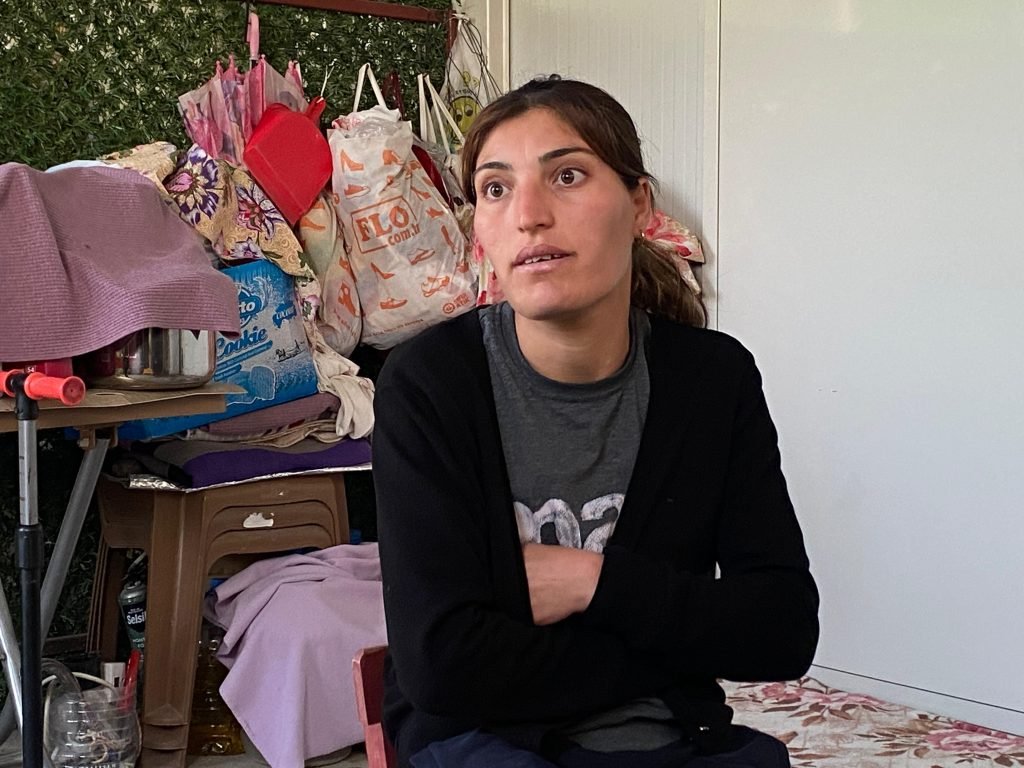
After being discharged from hospital, Torun moved to a tent in one of Adıyaman’s rural villages. But life in a tent proved unbearable, especially for her young son. They moved into a container, which, according to Torun, marked yet another step away from normal life.
“Our entire life is squeezed into a single room that’s about the size of one of our old bedrooms,” Torun told Inside Turkey. “You can’t prepare for Eid when every day is a struggle. While you’re tidying up one side of the container, the other side falls apart. Cooking a simple meal feels like losing years of your life. Nothing tastes good any more, not even the bulgur pilaf we once enjoyed so much.”
Yet despite the daily struggles, her biggest worry remains her 5-year-old son, whose mental health has severely deteriorated since the earthquakes. “My son wakes up crying every night,” she says. “He constantly asks when we can return to our real home. How can I explain to him that Eid has arrived, when there’s nothing left to celebrate?”
Aslı Bozkurt, a 29-year-old mother of four, also spent hours under the rubble. Worse still, she was stuck there with her youngest child for 14 hours. Initially presumed dead, they both survived – but their hardships were just beginning.
Pregnant and injured, Bozkurt spent eight months in tents before moving into a container, battling extreme weather, unemployment, and isolation. Her husband, who previously worked in retail, now works as a shepherd, the family’s only breadwinner.
“Eid hasn’t visited these places for two years,” Bozkurt told Inside Turkey. “My children have nowhere to go, and there’s nobody left to visit. Every day, we simply wake up and struggle to survive. For us, Eid is just another day.”
Psychological counsellor Berfin Hanalp, who has been working in Adıyaman for over a year and a half, highlights the deep psychological and social impact the earthquake continues to have, especially on women and children.
“Container life, intended to be temporary, has become a new normal, profoundly affecting women who bear an increased burden of household responsibilities in confined spaces,” Hanalp explains. “This not only intensifies their daily struggles but also significantly restricts their participation in public life, isolating them further.”
She emphasises the emotional complexities surrounding celebrations like Eid. “Festivities trigger both happiness and grief within the community,” she says. “Women and children in particular require spaces and opportunities to express these complex emotions. Without sustainable support and structured environments, mental health challenges will persist, possibly affecting communities for generations.”
Nafiye Esen has known poverty for most of her life. Having lost her husband 35 years ago, the 57-year-old raised four children alone. Yet she insists that nothing compares to the misery she experiences now.
Esen currently lives in a container with her disabled brother-in-law, surviving only on his disability pension. Their poverty is evident in everyday details – like being unable to offer tea during Inside Turkey’s visit, because they didn’t have the gas to heat the water.
“I’ve always been poor, but life was still beautiful in its own way,” Esen reflects. “Now, Eid means nothing any more – just another day struggling to survive.”
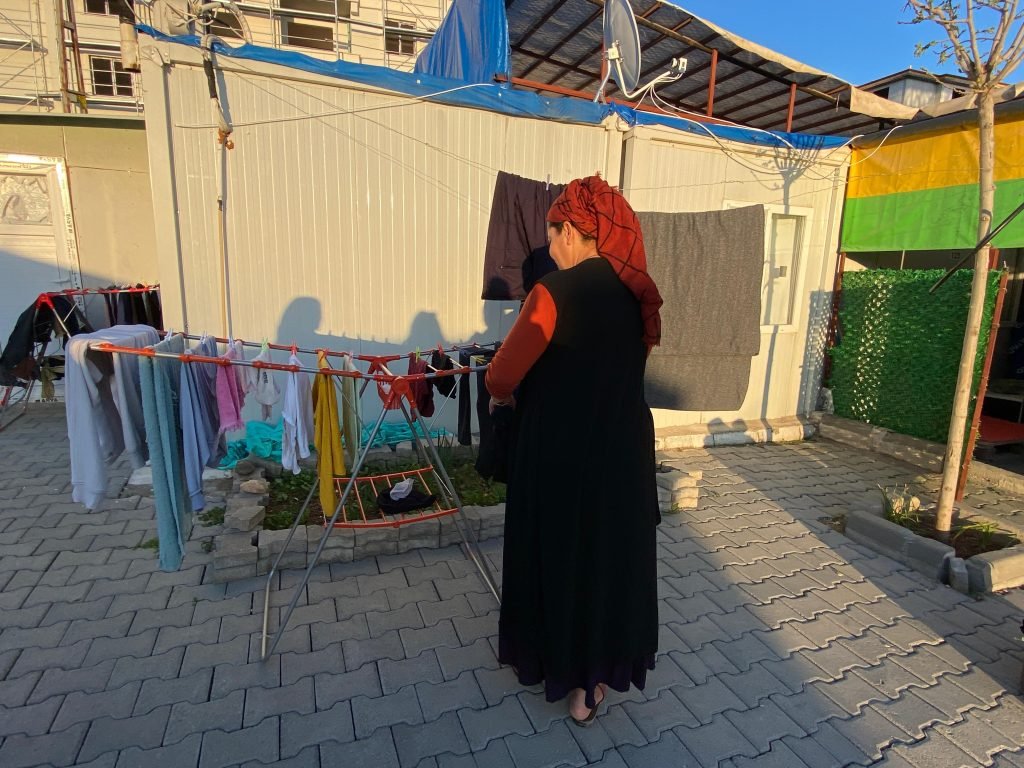
İslim Özen, 62, agrees. She also lives in a container with her three children. When asked if she has got used to her new living conditions, she replies: “I had to. But it’s not living, it’s surviving.”
As Özen remembers, “before the disaster, days ahead of the Eid were full of excitement”. Her family would spend days preparing. But the excitement has now gone and only the daily struggle for survival remains.
“Even putting a plate of food on our table in the evening is a celebration for us,” Özkan says. “We didn’t have anything additional to celebrate during Eid. Those days passed like the others.”
Amid the container cities scattered across Adıyaman, Eid al-Fitr, once a symbol of renewal and joy, has become yet another stark reminder of ongoing suffering. The experiences of these survivors highlight how profoundly a disaster reshapes lives – not just physically, but emotionally – and underscores the urgent need for support that goes beyond temporary solutions.
Rabia Çetin