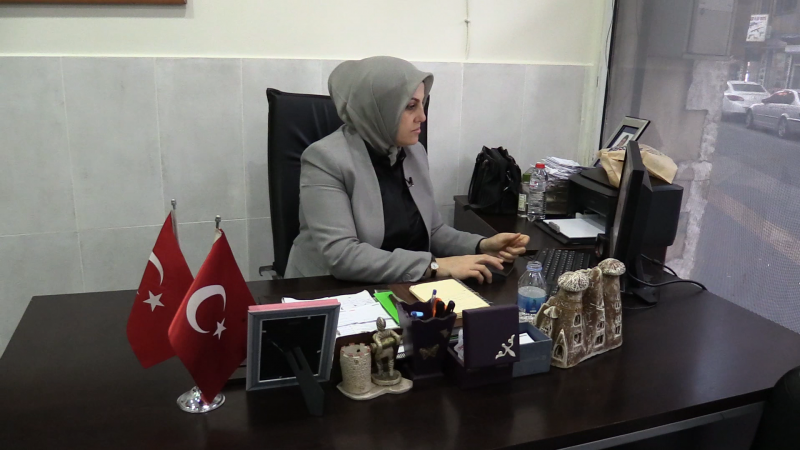

“I thought to myself: is it even possible? Can a woman be elected muhtar?” said Dilek Demir, a politician in Diyarbakır’s Muradiye neighbourhood. She was recalling the series of events that led to her becoming the only female muhtar, or neighbourhood head, in this south-eastern Turkish province, which bears the same name as its main city.
At the age of 49, Demir has served two terms so far, but her journey to office was fraught. Taken out of school one day as a young girl, she was forced into a marriage to a man 13 years her senior and taken to live in a Muradiye, a part of Diyarbakır’s she had never even visited. A survivor of the violence she endured for resisting the marriage, Demir said she arrived in Muradiye with a wedding gown she was forced to wear and tears in her eyes at the age of 14. But, she said, she never accepted her fate.
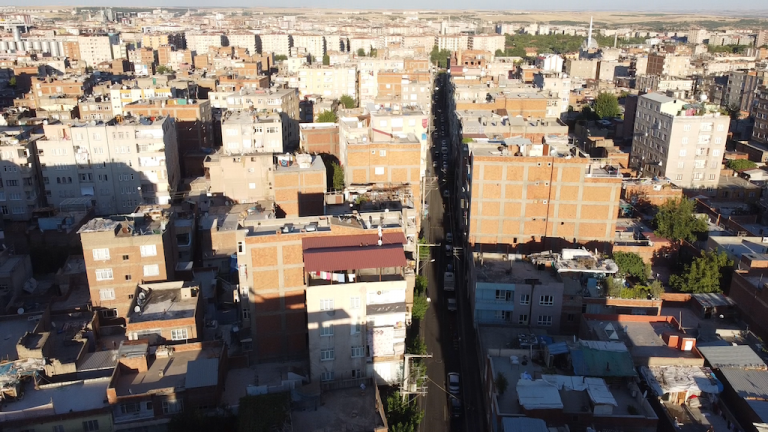
Muradiye, which sits in the Bağlar district of Diyarbakır, is a low-income neighbourhood with high crime rates. Here, in an old, run-down house, Demir raised four children..
Demir soon became popular with her neighbours, gaining a reputation for helping people in need. They even nicknamed her “muhtar”, because she seemed to be so in charge of what was going on locally.
But it wasn’t until the 2014 local elections that she gained the official title. Demir beat her closest opponent, one of six male candidates, by 1,500 votes in a neighbourhood of just 8,000 residents.
“We already call you ‘muhtar,’ so go ahead and run in the elections, why don’t you? Let’s bring this to life, let’s make it a reality,” one of her neighbors and voters told Demir a month before the local elections, she said, adding that she received the idea with great shock at first.
“We always see men as muhtars, but I’d never seen a woman in the post before. I’d really not seen or heard of it before. I questioned whether it was possible, whether others existed,” Demir said. In Turkey as a whole, only 1,071 muhtars elected in 2019, out of a total of 50,157 seats, were women – a rate of just 2 per cent.
Her community’s support and the positive feedback outweighed her doubts, Demir said, and she decided to run.
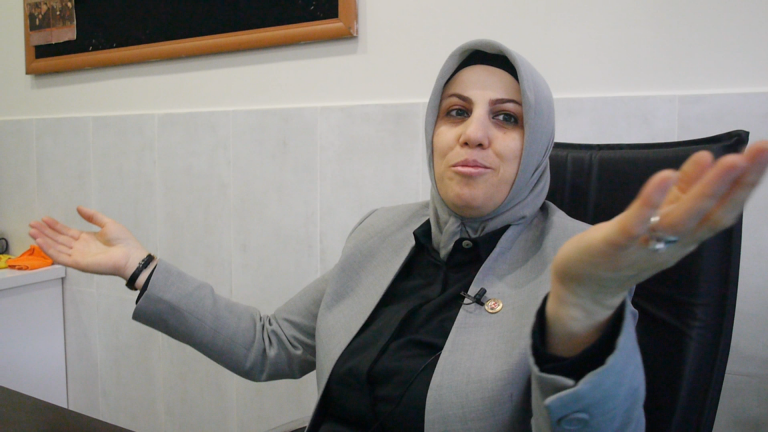
“Was it hard? Sure. I hung up posters, they [my opponents] hung theirs up over mine. They drew mustaches on my photos. [But] we beat six men by 1,500 votes,” Demir said.
The public was quick to embrace the “woman muhtar”, Demir said, recalling a story from her early days in office.
“A young man walked in. ‘Isn’t Mister Muhtar here?’ he asked. I said I was the muhtar. ‘Allah, Allah, really?’ he said. I asked him what was going on, he sat down and told me ‘Sister I need this and that,’ and we chatted for a while. ‘I wish all the muhtars in Diyarbakır were women,’ he said while leaving.”
Now the elected representative of 8,000 people, Demir regretted having missed out on her education as a girl. She went back to school, initially through remote learning, and gained her high school diploma. Currently, Demir is preparing for university entrance exams, as well as working to open up opportunities for a younger generation of women.
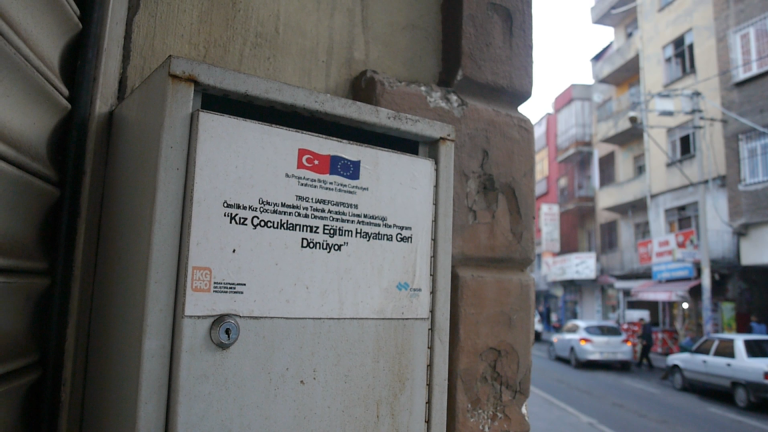
“We hung up a ‘wishes and complaints’ box on our door very early on in our time in office so that our young girls don’t become mothers or get forced into marriages like myself. I figured it would be an easy way for people to communicate things they weren’t comfortable sharing in person; they could just leave their letters in the box and I would be the one to open it. I would just refer them to the authorities they needed to work with to solve their issues,” Demir said.
As locals became comfortable enough to talk to Demir in person, the “wish box” was no longer needed, she said.
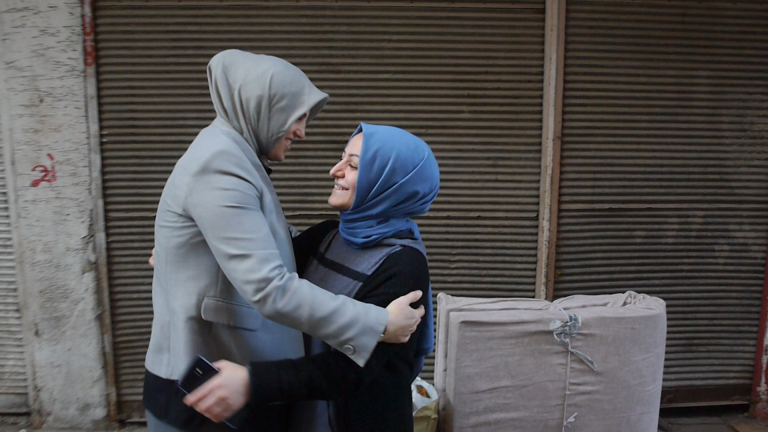
Today, Demir splits her working day between the muhtar’s office and the streets. She spends time in coffee houses, talks to local business owners, listens to people’s problems and looks after children. She is on first-name terms with most of the people she meets.
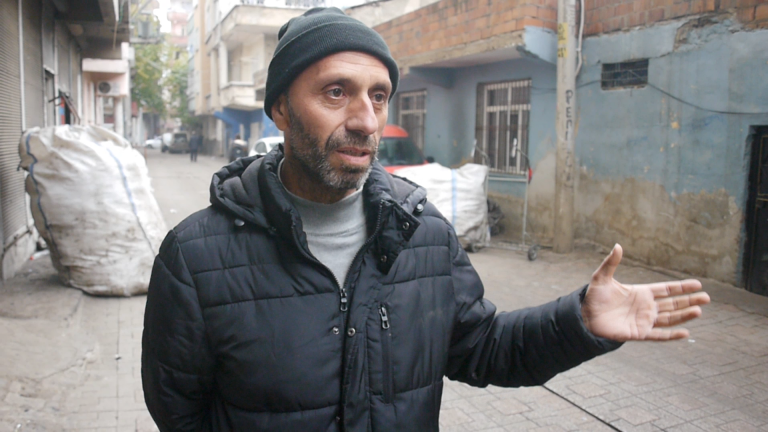
Kasım Erdoğan, a local business owner, told Inside Turkey that people feel comfortable reaching out to “Muhtar Dilek”.
“Whoever has an issue – not just us business owners – goes and consults her about it. That includes everything – from problems inside their homes to trying to buy a house. She helps people, she helps them find shelter, aid, donations. There’s a lot of poor folk in this area, and she’s usually the one to help them,” he said.
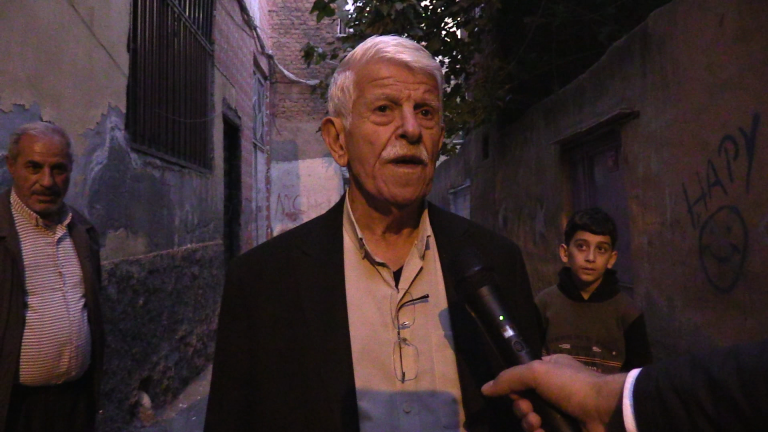
Fehmi Aral, an elderly man originally from Muradiye, told Inside Turkey how the muhtar had helped him.
“I was born and raised here, but I’ve lived in Istanbul for 86 years. I only came back here to visit my mother’s grave and have surgery. Then I fell on hard times, and it was as if Allah introduced me to Ms Muhtar,” he said. “Thank God for her, she’s the best person who never discriminates based on religion or race. She got me a place to stay, she received me like an older brother, a father or grandfather.”
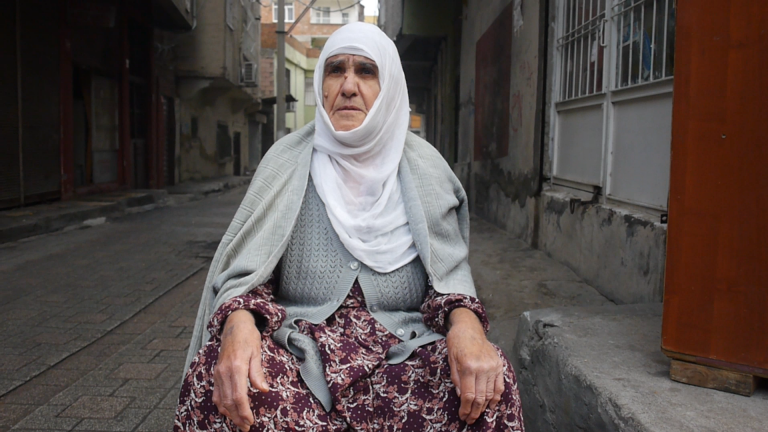
Demir is especially attentive to the elderly and women, resident Cemile Suyusal said.
“She’s our sweetheart, she’s the best. We couldn’t be happier about her as the muhtar. We’ve never seen her do anything bad. She helps everyone as much as she can,” Suyusal said.
Eser Karayel, a psychologist researching gender roles that fall on women in society, told Inside Turkey that women’s participation in the country’s labour force is relatively low, and that women are hired at a rate half the men’s. Education levels and employment are positively correlated among women, Karayel said, adding that the rate still remains low in comparison to the female population.
Women who take part in politics face additional disadvantages, Karayel explained, because social change is moving at a slower pace than their capacity for action.
“Social and psychological disadvantages ensue for women who are active in politics, local or otherwise, starting with familial relations and responsibilities,” Karayel said.
“Demir is a woman who suffered from the problems and injustices we all suffered from in the area”, Karayel added. “But the election she won started a whole new chapter for her. She not only does her job but also supports women by preventing forced marriages of children, helping those in need and forming an organisation to expand her reach.”
Hozan Adar