
Up next
Tandır alevini canlı tutan emek
It’s 5 a.m. With the sun still down, it still feels cool outside. At this quiet hour when most people are still asleep, Gülçin grabs a cardigan and heads over to the tandır house. She takes the key out from her pocket, unlocks the door, turns on the light and gets to work, placing wood and cow dung underneath the oven and lighting a fire.
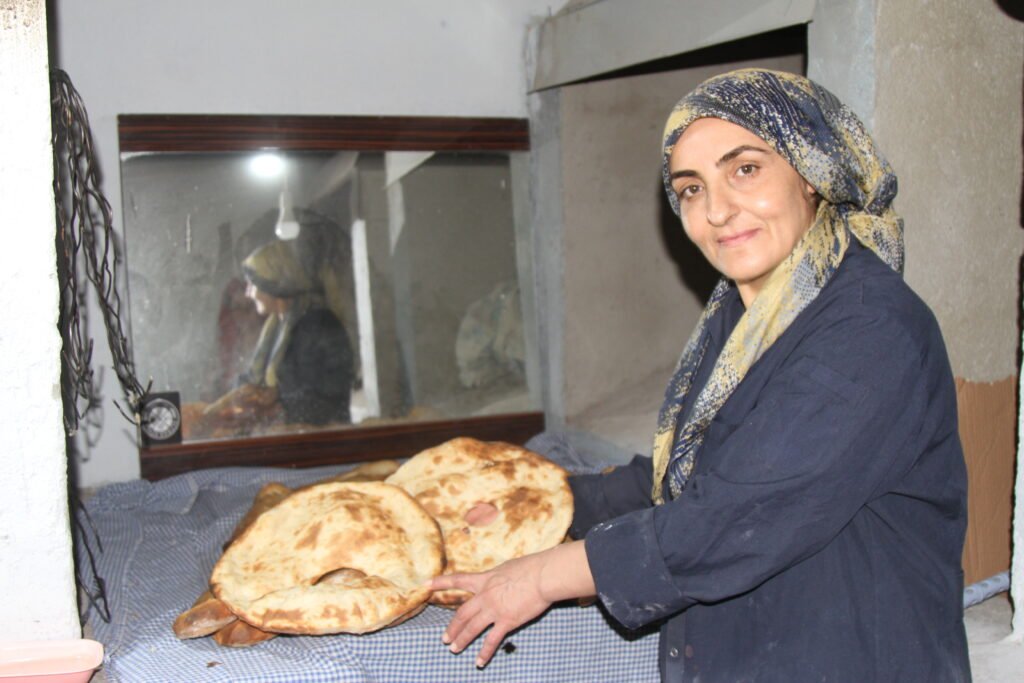
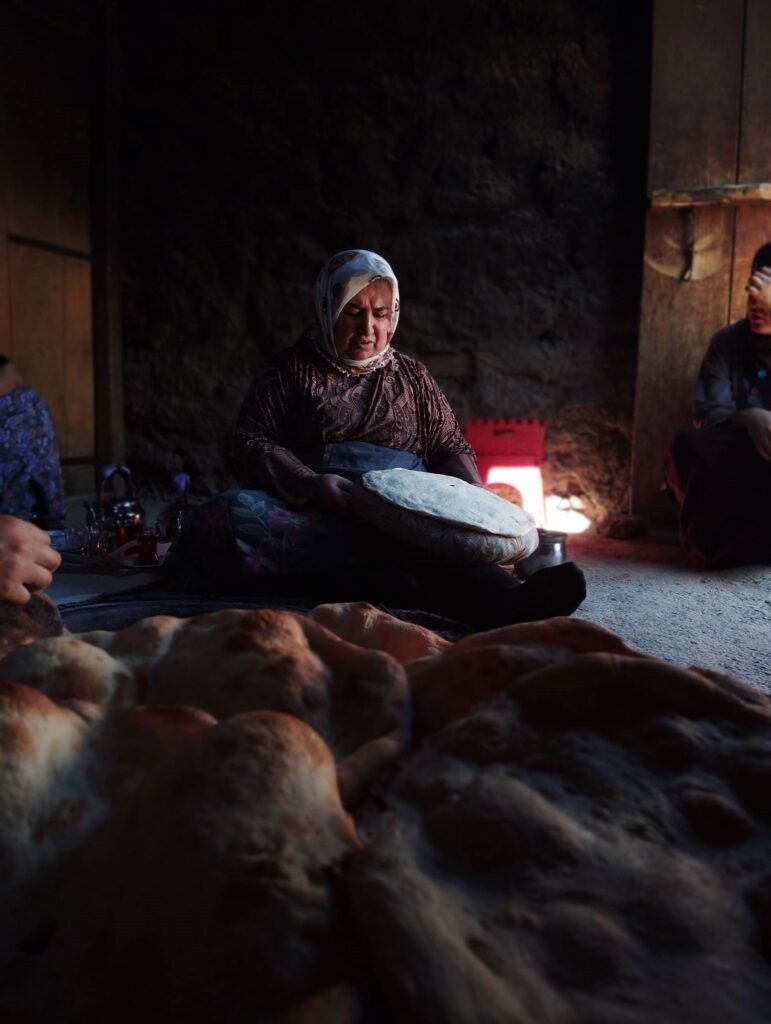
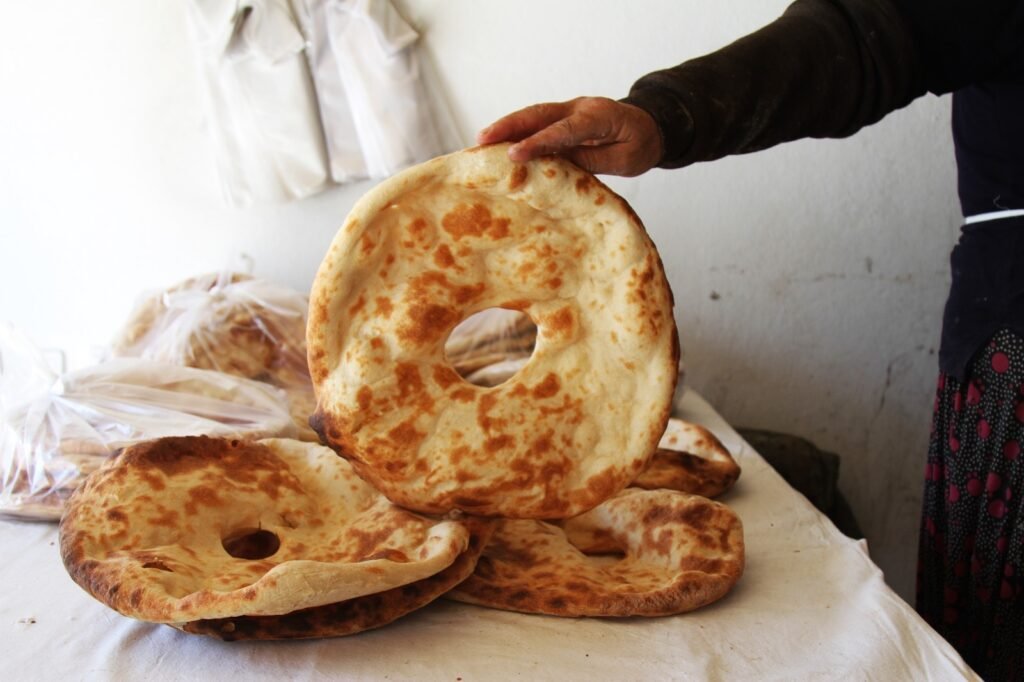
Tandır – or tandoor – bread, cooked in the large enclosed ovens found across the Middle East and South Asia, is a much-loved staple of Turkish cuisine. In rural Van, the eastern Turkish province where Gülçin lives, women still bake the bread in the traditional manner. It’s hard work. As smoke starts to rise from tandır houses across the region, Gülçin kneads dough. The heat hits her face when she opens the door to the oven, flames dancing inside.
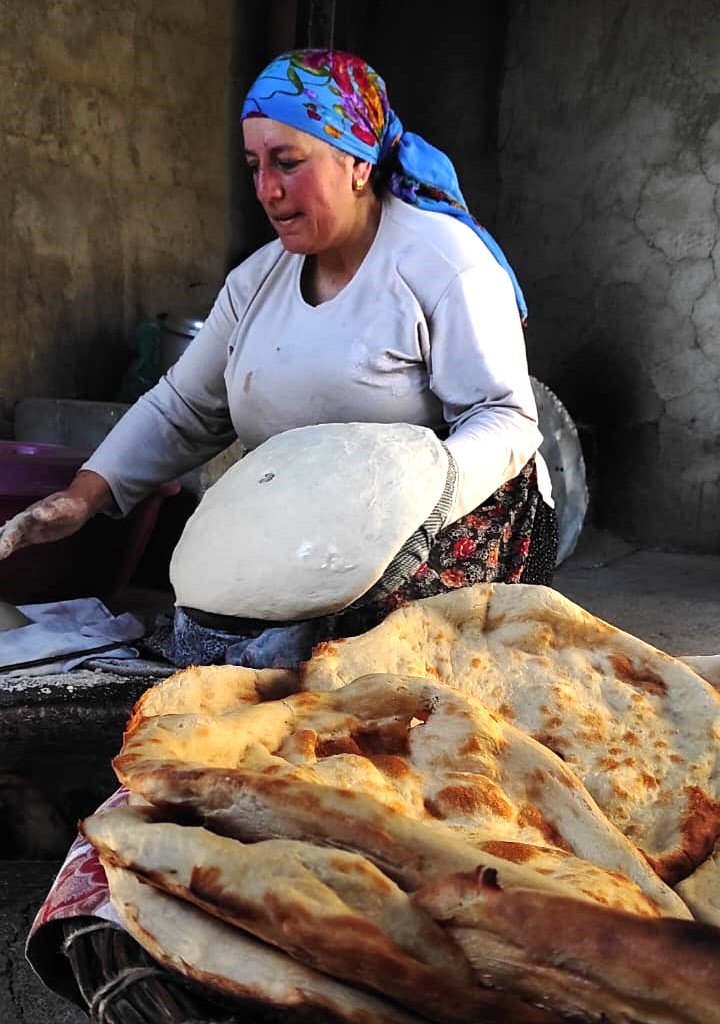
“Tandır bread is a must-have for our tables,” 50-year-old Gülçin says, explaining that it bakes more consistently than in other ovens. “My mother taught me how to make bread. I don’t remember when exactly I started but I’ve done it for about 16 years. My mum used to stand next to me and show me what to do. I always think of her when I sit by the tandır.”
However, it is not an easy process, she says. “Whenever I see a doctor, they say ‘You’ve smoked too much, your lungs are damaged.’ But I’ve never been a smoker, I just constantly stand around the tandır.”
She hesitates for a moment.
“Many women in my village have fallen into the tandır and been burned. I fell in once but the tandır wasn’t lit. I was able to get out with my sister-in-law’s help.”
Making women ‘breadwinners’
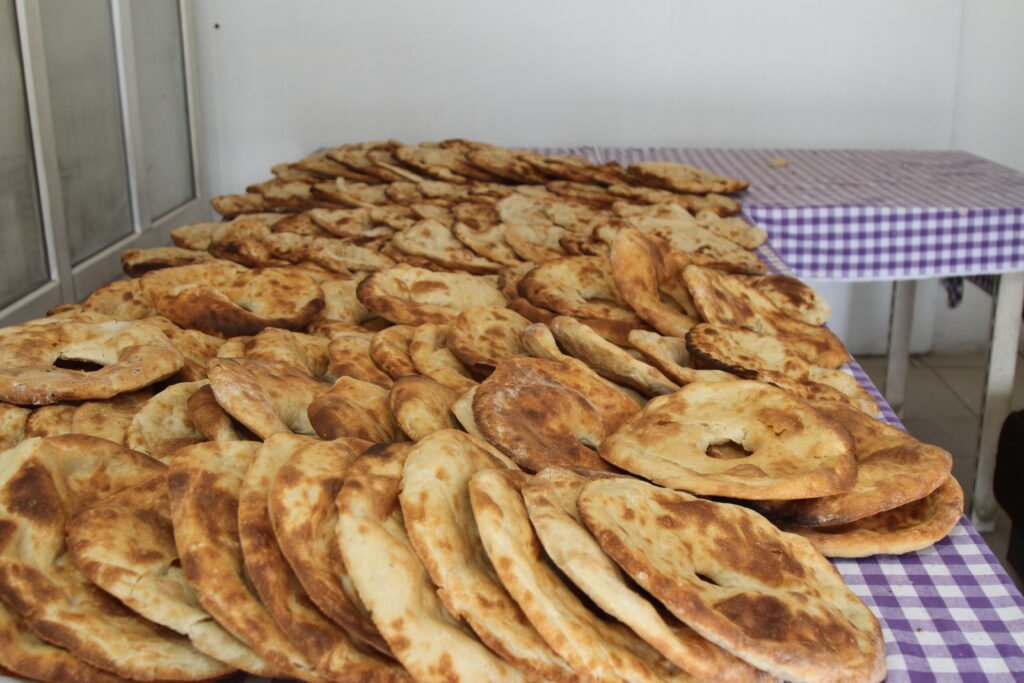
For Van’s women, tandır bread is not just a tradition, but a livelihood. Some set up their own businesses and employ other women, while some earn money just for their households.
“Tandır bread is significant not just for its flavour but also for its culture,” says Seyran Akbal, who employs four women at the tandır she opened 12 years ago. “We work to keep that tradition alive. We produce the bread with the women and all make a living from it.”
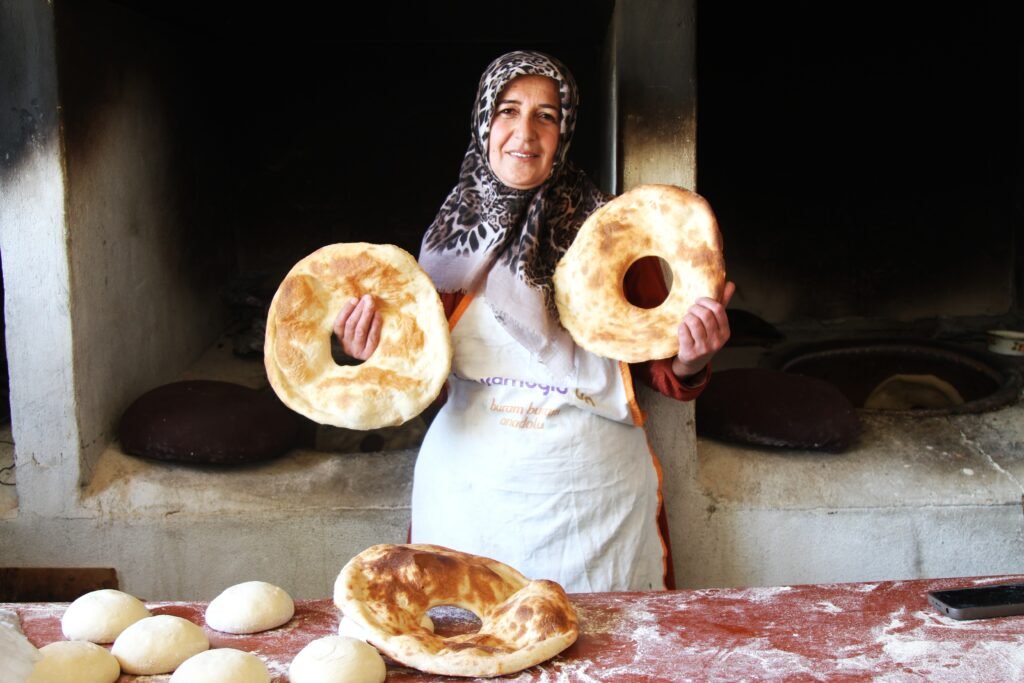
Refika Kadak, 48, opened a tandır house with her spouse five years ago, but she first encountered a tandır when she was 18. Traditionally, the ovens were set into the ground, which Kadar says made them more dangerous.
“Underground tandırs were much more common in the past; people would fall in and die or get injured. The smoke was also very harmful. Now we have standing tandırs, their chimneys are high and they produce less smoke. It’s safer and healthier,” she says.
The difficulties of tandır aren’t limited to just the fire and smoke, Kadak adds.
“Women have it really hard. We have to work here and think about chores and the kids at the same time. We have to, because this bread is how we bring home the family income.”
Kadak thinks that the women’s solidarity is their biggest strength: “We’re like a family here. We work together, laugh together. This job gives us not just bread but friendship too.”
The cost of labour
The health risks of tandır ovens are backed up by academic research. A 2021 study by Van Yüzyıl University’s medical school found that respiratory illnesses, eye problems and burns are common hazards.
Sebahattin Çelik, the author of the research, tells Inside Turkey he has a personal connection to the subject.
“My mother worked in tandır houses for years. She suffered burns and from the smoke. She had long-lasting lung issues, developed cataract problems and passed away. I felt like I owed my mother this.”
According to Çelik, modernisation is the solution.
“Tandır houses with modern ventilation and above-ground tandırs need to be built. This way, the tradition can live on and women and children’s health will be protected,” he says.
Çelik has presented his research to the Van governor’s office. Local municipalities in the region, along with the provincial health authorities, are planning a modernisation programme – although Çelik says it will require political commitment to see through.
“This is no longer just our responsibility, but the moral responsibility of those who care about women’s issues across the country,” he says.
Updating tradition
“Tandır houses are one of the most significant symbols of women’s invisible labour,” says Zeynep Özalp Kaya, a woman entrepreneur from Van with a Ph.D. in political science.
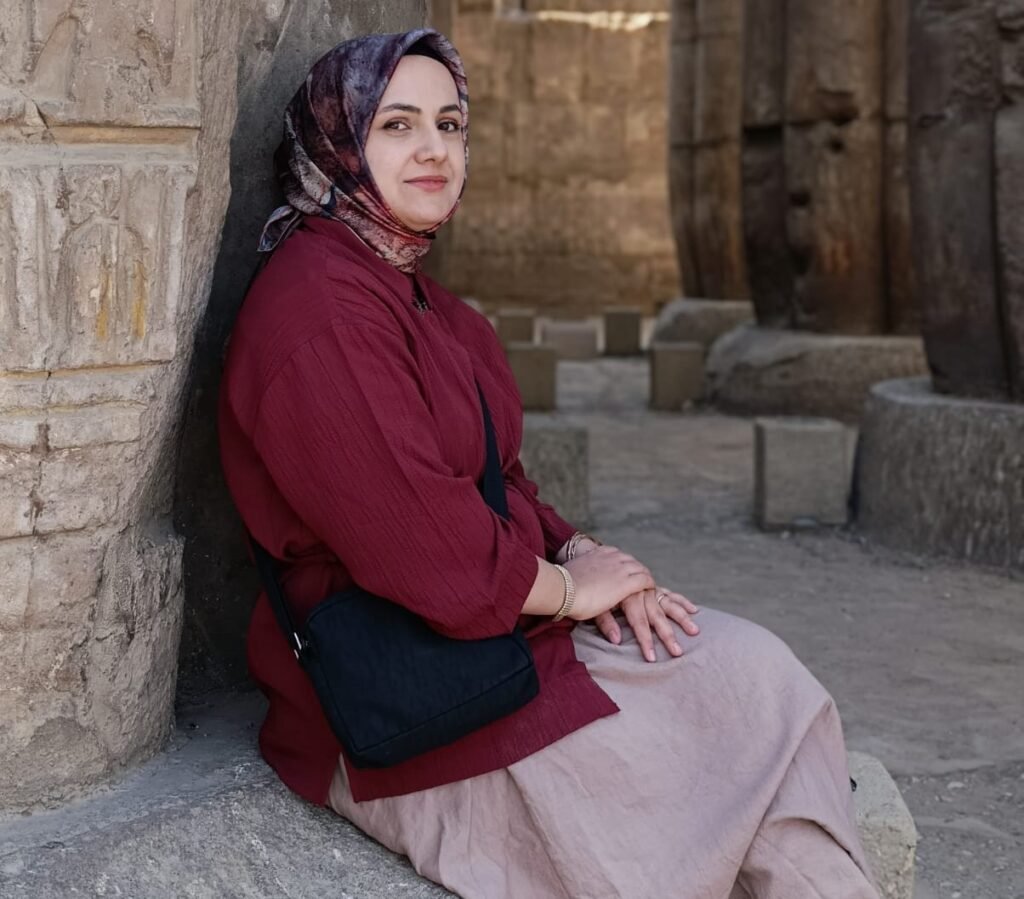
Officially, female participation in the workforce remains limited in modern Turkey, with only around 37% of women in jobs. But for Kaya, tandır houses illustrate the way work traditionally performed by women is hidden away.
“Men take up responsibilities in the public space, while women do the work required in private spaces, in line with traditional gender roles,” she says. “Women labour away at tandır houses like workers in a factory, while men [in the home] are the ‘boss’ financially. The woman puts in the labour and the man reaps the benefit.”
Kaya says it would be a mistake to only view this work as exploitation, however.
“In tandır houses where collective labour and solidarity have existed for centuries, there is also a significant cultural exchange. The bread produced by women contributes not only to household finances, but also symbolises a sacred communion,” she says.
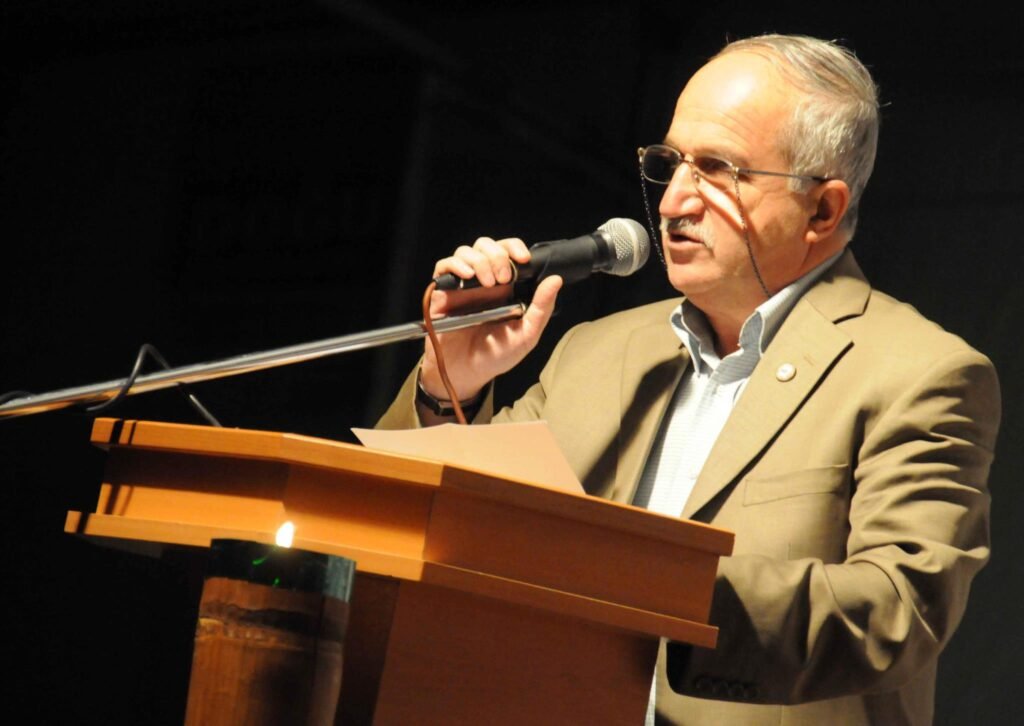
Journalist Ümit Kayaçelebi agrees. “Every home around here used to have a field, its own grains and an oven. Tandır bread is intertwined with Van’s culture.
“Women work all day to feed family and neighbours, and transmit the culture. Keeping this tradition alive is an important way to preserve our history.”
Fatma Nur Polatcan