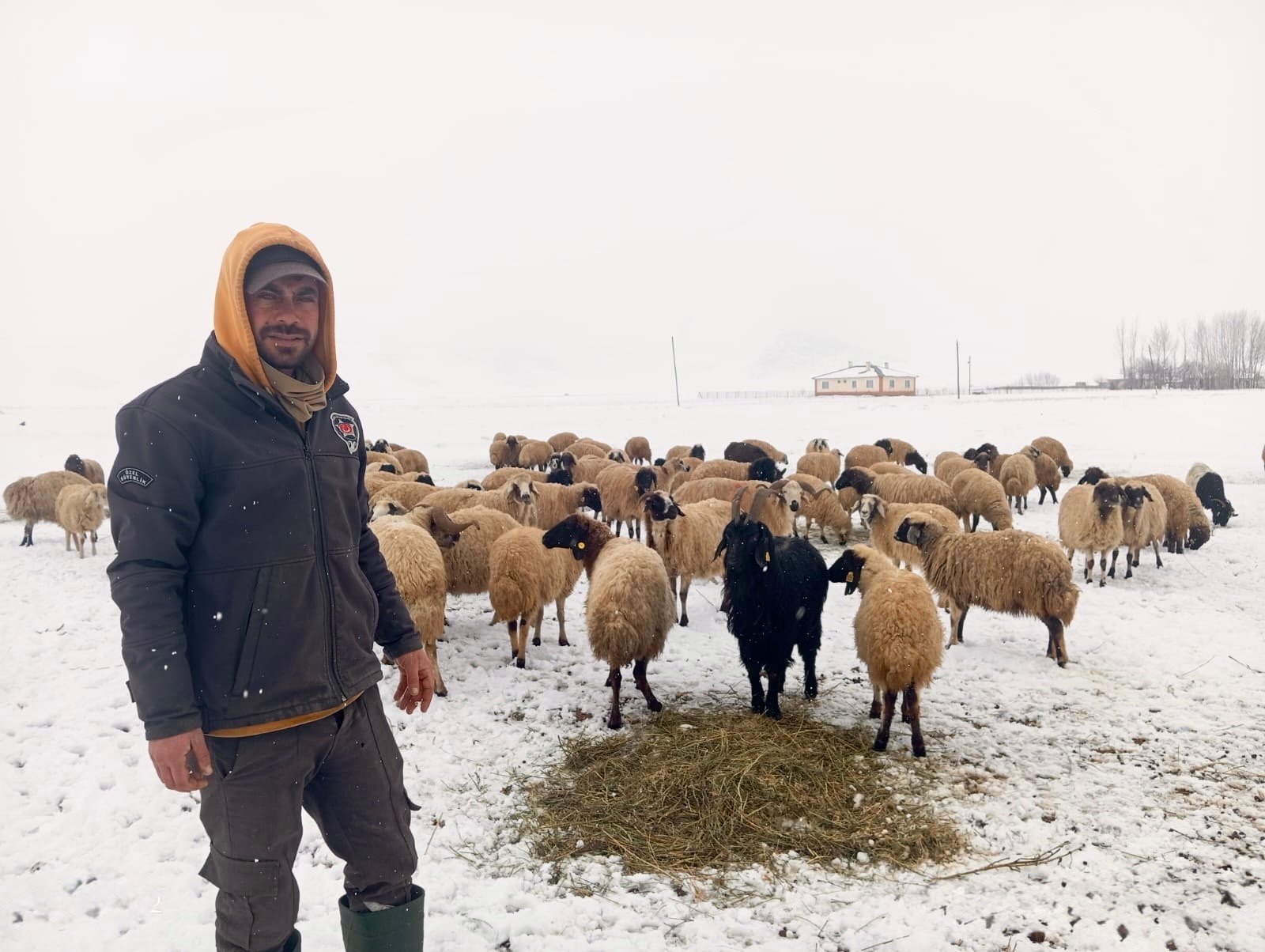
Before dawn breaks on a chilly morning in Sakal, rural Van province, a barn door creaks open. The soil is frozen and breath mists in the air. Recep Yolak waits next to a newborn lamb. The delivery is complete, but the work is just beginning in a region where keeping a young animal alive is almost as hard as bringing it into the world.
Yolak is a livestock farmer in eastern Turkey’s Van, once one of the country’s capitals of agriculture. His skills were passed down from generations of men before him; it’s not just a source of income, but a family way of life. It’s getting harder to sustain, however. Rising feed costs, drought, debts and the fall in value of animal products are making farming harder in Van and across Turkey.
Credit: Fatma Nur Polatcan
“We don’t have anything else we could do if we quit livestock farming,” Yolak says. “But it’s not working as it is.”
Past gold, present waste
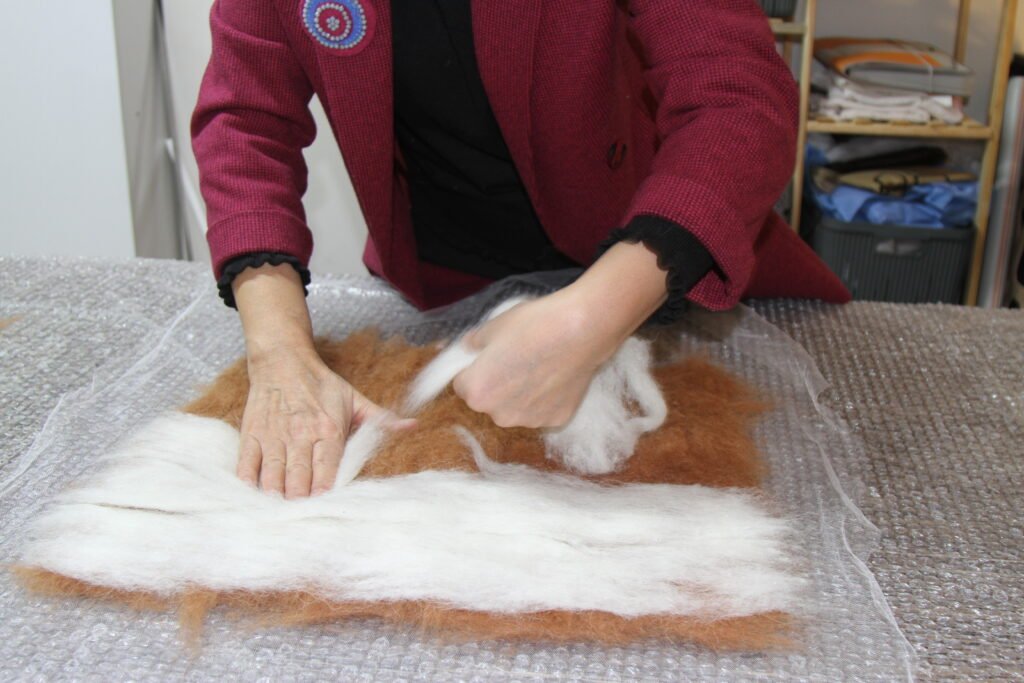
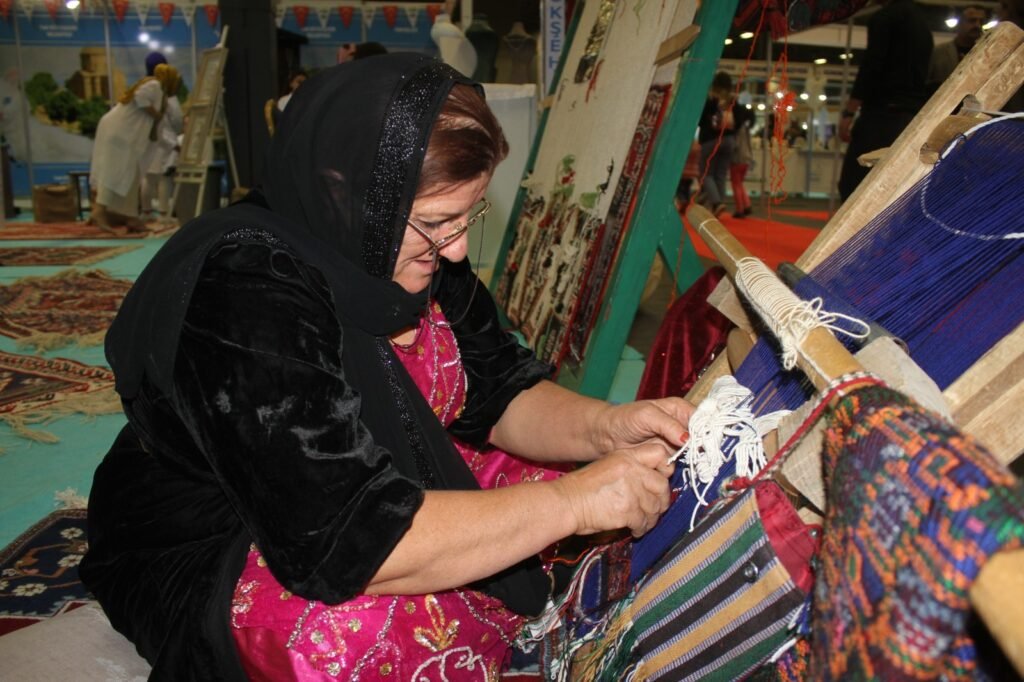
In the past, wool wasn’t just a by-product of farming, but a central resource for Van’s rural life. Sheared wool would be washed in nearby streams, patiently combed through by women and coloured with vegetable dyes as a central preparation for winter. A woollen quilt was not just a way to keep warm, but a symbol of hard work and abundance.
Credit: Fatma Nur Polatcan
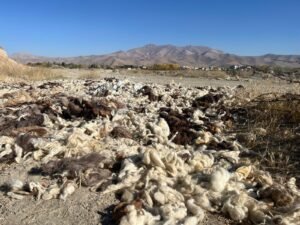
Today, this same wool is stuffed into large bags and abandoned on the outskirts of Van’s villages, to be burned or taken away with other rubbish.
Yolak’s voice breaks as he recalls old times.
“You couldn’t even imagine throwing away wool. It would be turned into blankets, beds. It would go into young girls’ dowries. Now, nobody even thinks twice about it.”
A kilo of wool doesn’t even fetch a price of three Turkish Liras (less than £0.1) these days.
Credit: Fatma Nur Polatcan
“It’s not even worth as much as a cup of tea,” Yolak says.
The stark drop in prices is why wool is dumped on roadsides these days. Shearing season looks similar across most villages: bags of wool being set ablaze.
“It’s heartbreaking to see your hard work turn to ash,” Yolak says. “But there’s nobody to buy it.”
A collapsing supply chain
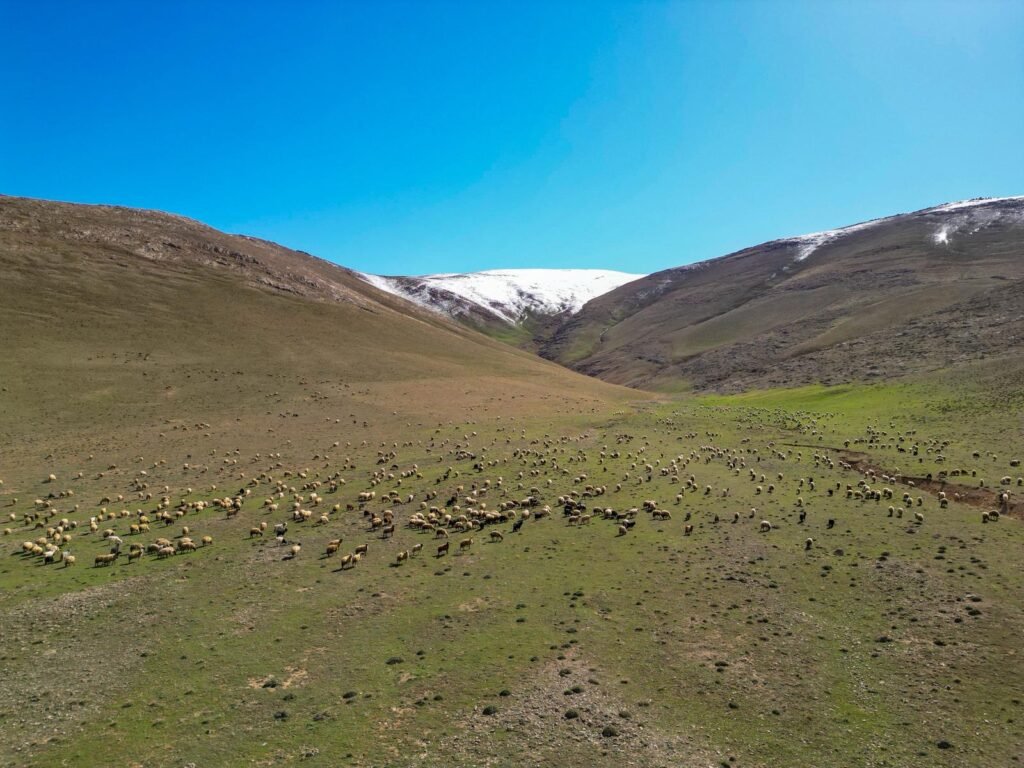
The fall in wool prices is the result of a collapsing supply chain. Yolak says travelling middlemen would once roam Van, collecting wool. These collectors would stop in villages at shearing season, store the wool they picked up and ship it off to factories later.
Credit: Fatma Nur Polatcan
“There were businesses in Van that did this. They would collect and store the wool and then take it over to factories in their trucks,” Yolak says.
In time, this system was dismantled. Wool processing factories in eastern Turkey shut down and the middlemen disappeared. As cheaper synthetic garments emerged, plastic-based textiles and imported synthetic wools eclipsed natural wool completely.

Credit: Fatma Nur Polatcan
“If there were even a single factory in the vicinity, we would have thread, quilts, blankets. We could have everything,” Yolak says.
The experiences of Van’s wool producers sit among wider pressures on rural livelihoods. Süleyman Kozat, head of the local veterinarians’ chamber and an academic, says decline is linked to a lack of economic and educational opportunities. Kozat says emigration is inevitable without the creation of new jobs in rural areas.
“Without rural development, people will continue to seek a living in cities. If the young can’t be motivated to stay, farming can’t be sustainable. Government subsidies are crucial for livestock farming,” he says.
Herds that shrink, not grow
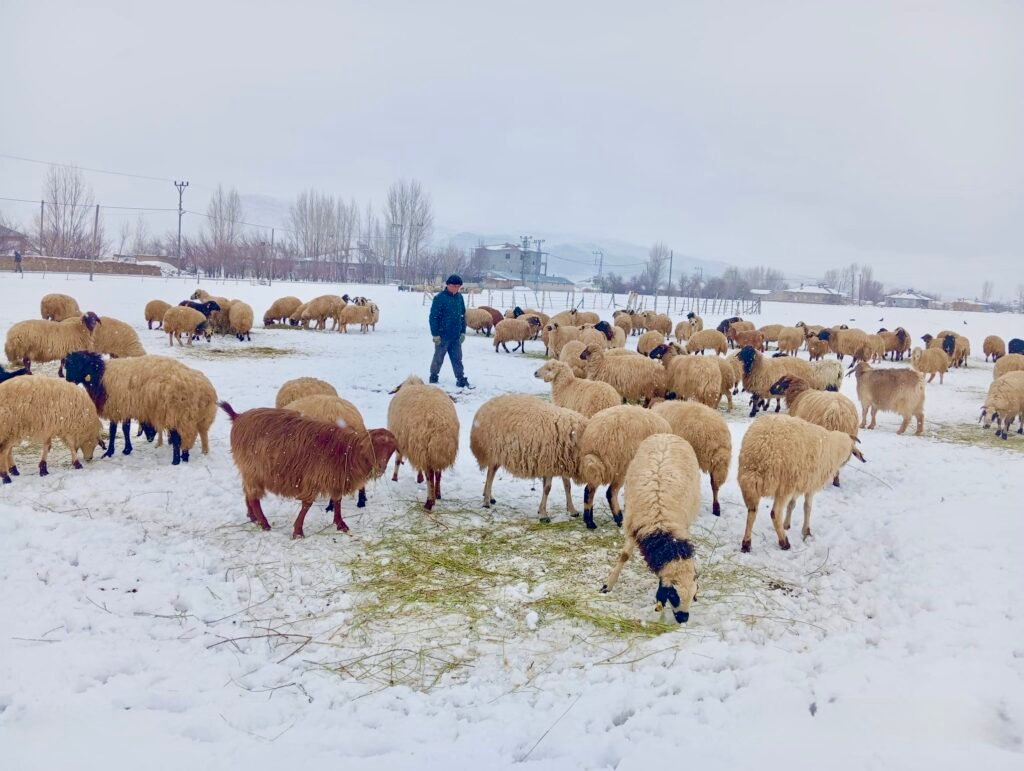
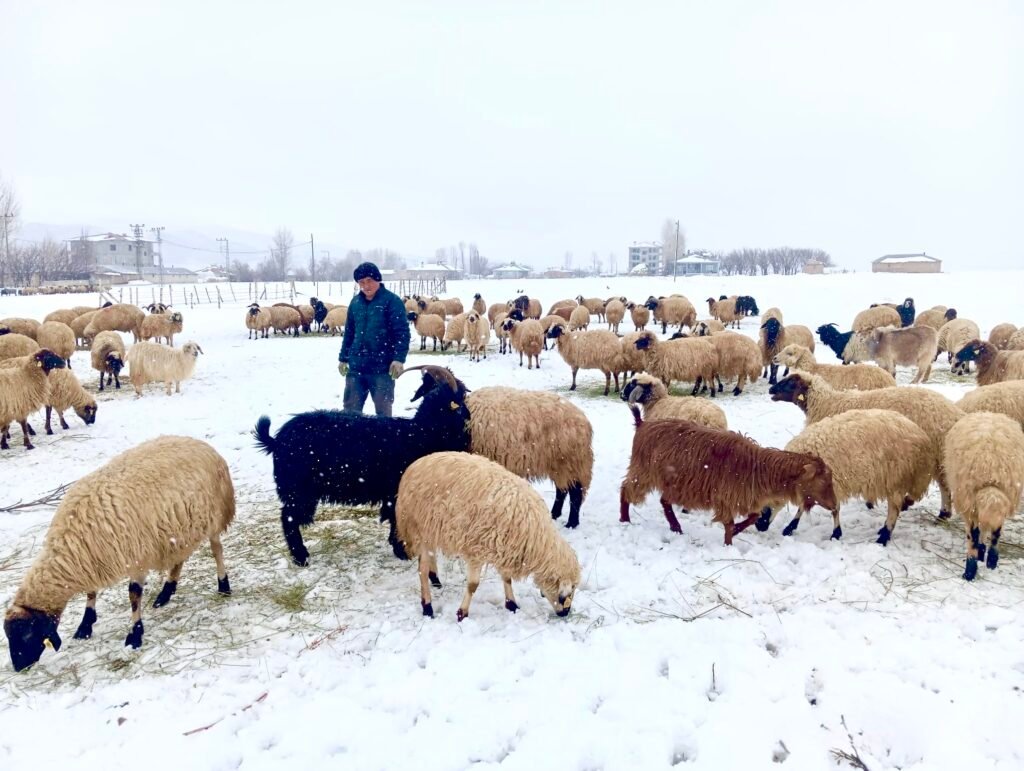
Yolak’s family have been livestock farmers for generations, but today their herds are shrinking.
“Ten, fifteen years ago, my family used to have 200 sheep,” Yolak says. “Today, the family’s grown but the number of animals has shrunk in contrast.”
Credit: Fatma Nur Polatcan
The rising cost of feed, hay and barley is the primary reason for this fall. Finding shepherds is nearly impossible these days. Besides, monthly shepherds’ wages have risen to levels that are unaffordable for many producers.
“We work day and night but we cannot get any returns,” Yolak says.
Rising costs drag producers into a spiral of debt. Yolak says most animal farmers owe banks money.
“You couldn’t find a farmer who doesn’t have debt. We’re all trying to stay afloat with borrowed money,” Yolak says.
Credit: Fatma Nur Polatcan
Drought in the region only exacerbates this picture. Diminishing water resources and the drying out of greenery render livestock farming harder by the year. These factors inevitably result in migration.
“Nobody is left in the village,” Yolak says. “Hundreds of households from my village moved to İstanbul, İzmir, Bursa [provinces in western Turkey]. If these conditions do not improve, we too will migrate.”

Credit: Fatma Nur Polatcan
Faruk Alaeddinoğlu, a geographer at Van Yüzüncü Yıl University, says a recent rise in drought has also contributed to emigration from rural Van.
“People can no longer make a living in rural areas. The rising drought in the past decade has severely limited agricultural activity. People can’t process their land because they can’t access water. Animal farming doesn’t repay its cost. These factors force people to migrate out of rural areas to cities,” he says.
Alaeddinoğlu notes that residents of rural Van tend to move to the provincial capital or to other provinces entirely.“Van has incredible potential but people don’t stick around because there are no new jobs being created. What is needed is not temporary fixes but long-term investment.”
Fatma Nur Polatcan