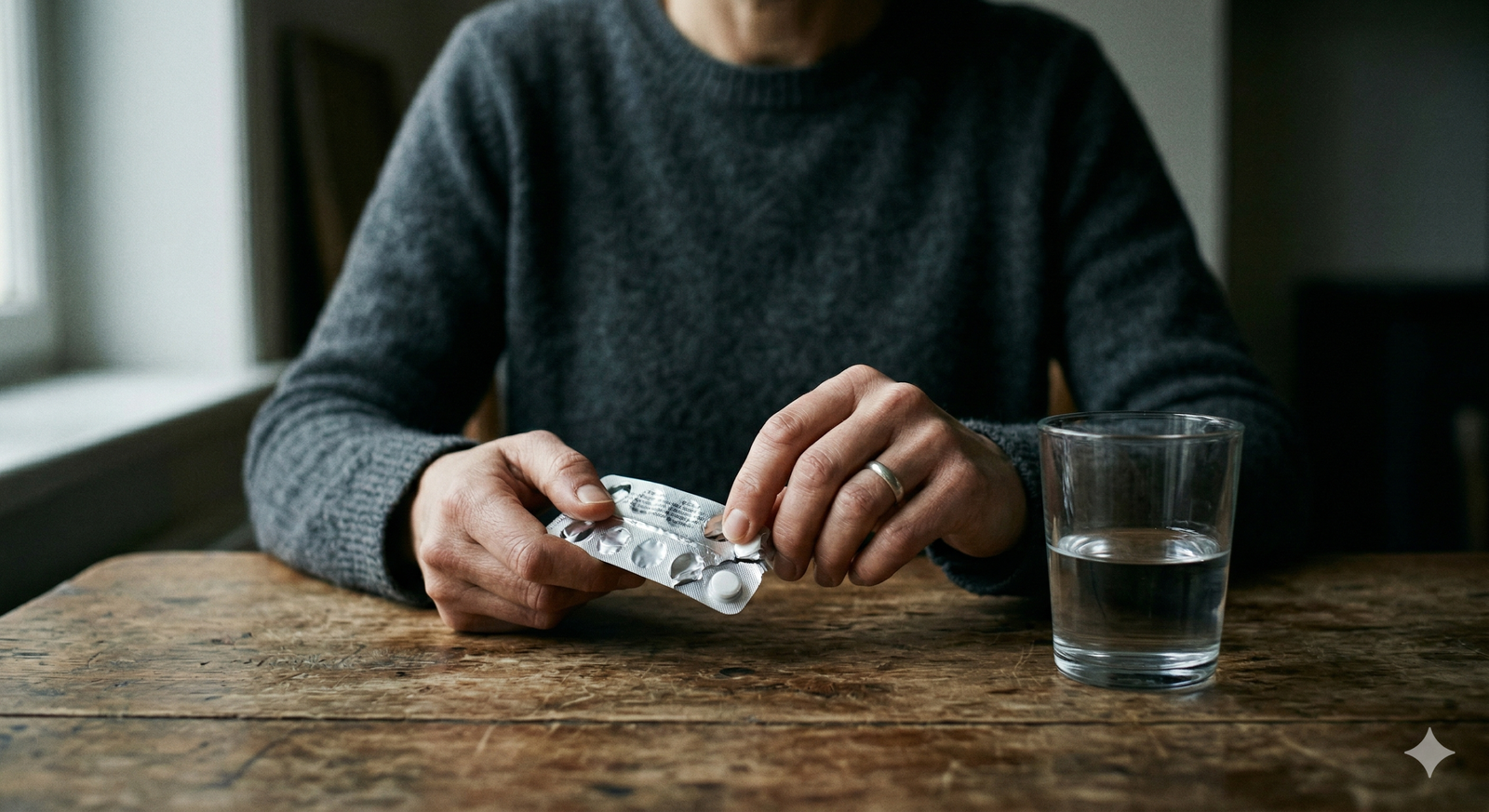

A crowded commute, money that doesn’t stretch until the end of the month, uncertainty about the future – life in Turkey is often hard. And for some, it comes with a psychological cost that is showing through in the growing use of antidepressants.
Data from the Psychiatric Association of Turkey shows that the sale of antidepressants rose from 39 million boxes in 2014 to 65 million in 2024. OECD data similarly shows a 60.55% increase in the use of antidepressants in 11 years.
Experts told Inside Turkey that the change can’t be explained solely by higher rates of diagnosis. Therapist Pelin İnan cites “economic uncertainty, insecure work conditions, solitude, weakening social support networks and chronic stress” as potential causes.

Credit: Generated by using Gemini AI
“Antidepressants can be necessary and life-saving in some instances,” İnan says. “However, they often do not provide ‘healing’ by themselves, without the resolution of underlying social and psychological issues.”
Limited access to therapy, in part because of high fees, is another contributing factor, she adds.
“One of the most effective methods of treating depression and anxiety disorders is coordinating therapy and medication. But many people don’t have the chance to receive therapy, so they turn to medications as a quick and easy fix,” İnan says.
Needs not met
The story of 39-year-old Zeynep Şahin, who lives in southeastern Bitlis province, echoes İnan’s theory. Her family’s income doesn’t cover all of their essential needs, she says.
“Thinking about how I couldn’t meet some of my children’s needs, I started to feel an increasing sense of being stuck,” she says. “In time, the thought started to keep me up awake.”
Şahin believes that the anxiety she suffers from would get better if she could receive the social support she needs.
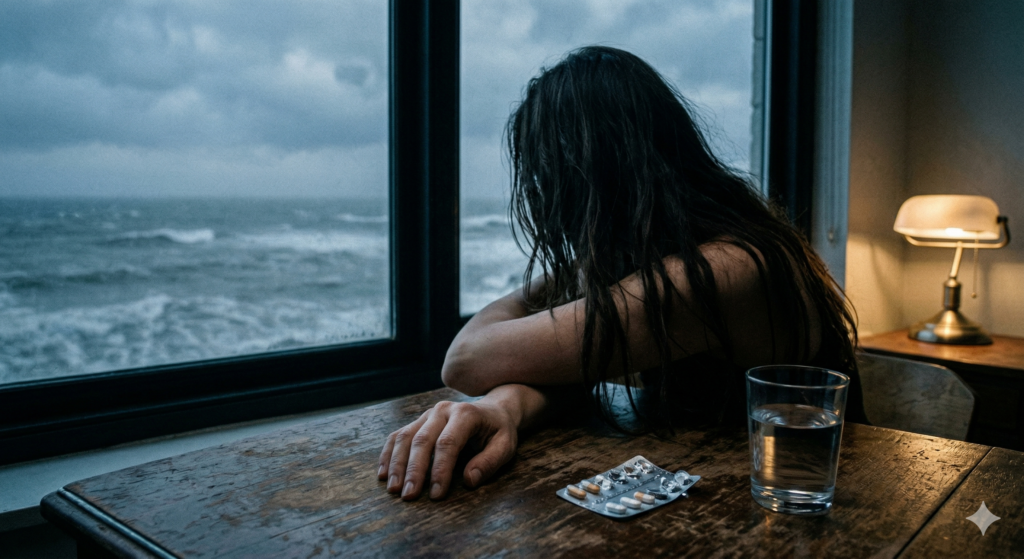
Credit: Generated by using Gemini AI
“I have been on antidepressants for about two years. My sleep schedule improved somewhat after starting the medication but my money worries and the constant need for income still impact my life gravely,” she says. “My own wellbeing was essentially never my priority. The medication is more like a tool to be able to carry on with my daily life.”
Alişan Burak Yaşar, a professor of psychiatry at İstanbul Nişantaşı University, says that public clinics have had to shorten consultations in response to rising demand. Yaşar says that shorter visit times may have led many patients to choose medication over therapy, adding that many publicly-funded doctors don’t have the time to hear patients out.
“Therapy is perfectly efficient for many non-severe mental health issues. But structural barriers to accessing therapy and shorter consultation times can prompt the direct preference of pharmacological responses to many patients,” Yaşar says.
Root causes
Another Bitlis resident, 24-year-old Kerem Salih Altay, had to quit university two and a half years ago as a result of family and economic difficulties. After he started working, he sought out psychological support to cope with workplace harassment he suffered. He was prescribed antidepressants around eight months ago.
“Work conditions were the real problem, but the solution was sought through me nonetheless,” he says.
Kemal Eren, a 45-year-old resident of eastern Van province, has been on antidepressants for a year, after struggling with the demands of family life.
“You just get exhausted over time,” he says, explaining he is financially responsible for his family.
“The burden just grows when you can’t talk to anyone about it. If I could have received the necessary support, I wouldn’t have used antidepressants for so long,” Eren says.
“I had used them for a period before but I couldn’t care for myself while trying to meet the needs of the children, the house and my loved ones. I received love from those around me, but I can’t show myself any affection.”
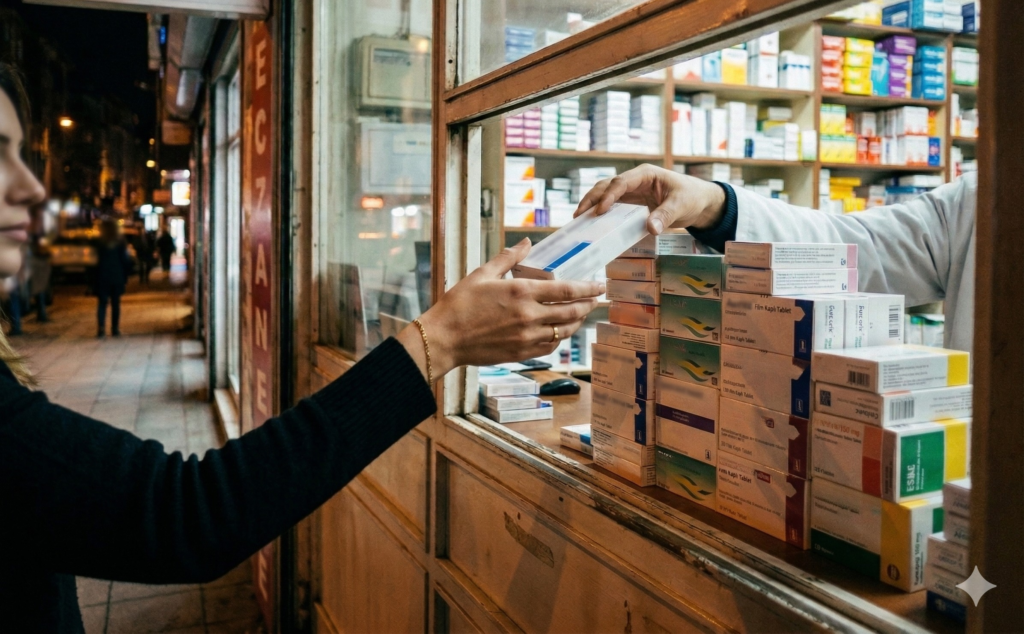
Credit: Generated by using Gemini AI
Burhanettin Kaya, a member of the Turkey Psychiatry Association, notes a significant increase in antidepressant use in recent years.
“The current economic and social structure creates a deep sense of insecurity and uncertainty for a lot of people,” he says. “People are drawn into intense anxiety and hopelessness as a result of not being able to foresee their future. That leads to wider anxiety disorders and depression.”
Noting that collective trauma like the deadly earthquakes of February 2023 and the Covid-19 pandemic also has an impact, Kaya urges the government to do more to support mental health, and for wider public awareness too.
This isn’t a struggle that can be shouldered by individuals alone, he says.
Halime Erdem